AI voice-cloning scams: how to tell if you’re talking to an AI
Scammers can copy a voice from a few seconds of audio. How the scam runs, the signs that give it away, the two habits that beat it, and where to report it.
An AI voice-cloning scam uses software to copy someone’s voice from a short recording, then calls you as that person, usually a relative in trouble or your boss, asking for money fast. You can’t trust the voice. Ask for a family safe word, or hang up and call them back on a number you already have.
How do AI voice-cloning scams work?
In three steps. The US Federal Trade Commission warned in March 2023 that a short clip from content posted online is enough for a voice-cloning program (FTC).
- Step 1
Get a sample. Reels and videos on social media, or a “wrong number” call that keeps you talking.
- Step 2
Clone it. Software trained on the clip can then say whatever the scammer types, in that person’s voice.
- Step 3
Call with a crisis. An accident, an arrest or a kidnapping, and money needed now.
How common are AI voice scams?
Common enough for police and regulators in India and the US to warn about them. Hard numbers are scarce; the best come from a 2023 survey.
- 3 sec
of audio gave an 85% voice match in McAfee’s own cloning tests.
McAfee via Business Today, May 2023 - 47%
of Indian adults had faced an AI voice scam or knew someone who had.
Same survey - 69%
of Indians were not confident they could tell a cloned voice from a real one.
Same survey
McAfee asked 7,054 people in seven countries, and 48% of Indians who lost money said they lost over ₹50,000. The answers are self-reported, so treat them as a guide.
Cases and warnings, by date
- Oct 2023 · Delhi
A 62-year-old in Yamuna Vihar got a WhatsApp call from a crying voice saying a relative had been kidnapped. He paid ₹50,000; the relative was safe at home (India TV).
Case - Feb 2024 · US Federal Communications Commission
Ruled that robocalls using AI-generated voices are illegal under US telemarketing law (PBS NewsHour).
Ruling - Apr 2024 · Tamil Nadu Cyber Crime Wing
Warned of cloned voices of family and friends asking for money over UPI (MediaNama).
Warning - May 2024 · Hong Kong
An Arup employee sent HK$200 million (about US$25.6 million) in 15 transfers after a video call with faked senior colleagues. Arup confirmed fake voices and images were used (CNN).
Case
Pages read on 29 October 2026.
How can you tell if you’re talking to an AI voice?
Often you can’t by sound alone, so judge the call by what it asks for, then test it with a question a clone can’t answer.
- Urgency. Money is needed now, before you can think or check.
- Secrecy. “Don’t tell anyone”, or a reason you can’t call them back.
- Money that is hard to get back. UPI to an unfamiliar ID, a wire transfer, gift cards or crypto.
- A familiar voice on a new number, or a WhatsApp call from one.
- Crying or pleading that makes it hard to ask questions.
- Odd tone or word choice for that person, or vague answers to personal questions. The FBI says to listen for both.
How to protect your family: a safe word and a call-back rule
A safe word and a call-back rule beat most voice-clone calls, because a clone knows neither.
- Step 1
Agree a safe word. Choose a word or phrase with your family in person, and never post it. Ask for it whenever a call asks for money. The FBI recommends this (IC3, December 2024).
- Step 2
Hang up and call back. Use the number saved in your phone, not the one that called. If they don’t pick up, call someone who is with them or another relative (FTC).
- Step 3
Ask what only they would know. Something that isn’t on social media. A video call helps, but the Arup case shows video can be faked too.
The call-back rule in ten seconds
- 1 · Hang upUnknown number“It’s me, Mumma”
- 2 · Call the saved numberRiyaMobile · saved contact
- 3 · Hear it from themRiya“Mumma? I’m in class. I’m fine.”
To make your voice harder to copy, keep your accounts private, limit public videos of yourself speaking (FBI), and don’t stay talking on wrong-number calls.
At work, where cloned voices pose as a boss or finance head, agree that any request to move money is confirmed on a known number or through the usual approval.
Where to report an AI voice scam in India
If you lost money, report it the same day: call 1930 or file at cybercrime.gov.in, then tell your bank. A fraud call that cost you nothing goes to Chakshu.
Note it straight away
- The number
- Date and time
- What they asked for
- UPI ID or account you paid
Send it to the right place
- You lost moneyReport to: 1930, or cybercrime.gov.inThe national helpline and the National Cyber Crime Reporting Portal.
- Fraud call, no money lostReport to: Chakshu on Sanchar SaathiFor suspected fraud calls, SMS and WhatsApp messages.
- You live in the USReport to: ReportFraud.ftc.gov and ic3.govAs the FTC and FBI advise.
Warn the person whose voice was copied, so they can tell others who might get the same call.
The government told Parliament that the 1930 reporting system had saved more than ₹11,158 crore across over 32.8 lakh complaints by 30 June 2026 (Rajya Sabha reply via Outlook Money, August 2026). For a step-by-step walk-through, see our guides on how to report fraud calls in India and common phone scams in India.
Should an AI assistant tell you it’s an AI?
Yes. An honest AI that calls or answers you should say at the start that it is an AI, and in Europe the law now requires it.
Article 50 of the EU AI Act says AI systems that talk with people must be designed so that people are told they are dealing with an AI, unless that is obvious (Article 50). It applies from 2 August 2026 (Goodwin, August 2026). This is general information, not legal advice.
That is how we built Kuku AIVA, an Android app from Kuku Technologies Limited, the makers of Kuku FM. Your phone rings first; calls you decline, miss or can’t take go to AIVA, which never pretends to be you.
On the call
Hello, I’m an AI assistant answering for the person you’re calling. They can’t come to the phone right now. May I know why you’re calling?
It’s Rohan. I need money urgently. Please ask her to call me back.
Thank you. I’ll pass your message on.
Notification on your phone: AIVAnow Rohan, asking for moneyThe caller said he’s Rohan and needs money urgently. He asked you to call back.
- AIVA doesn’t detect cloned voices or tell you whether a caller is who they say.
- It doesn’t block calls or identify callers.
- A written summary gives you a moment to think before you act.
For how call data is handled, see our privacy policy.
AI voice scams: your questions
How can I tell if a voice on the phone is AI?
Often you can’t by sound alone. Treat urgency, secrecy and requests for money by UPI, gift cards or crypto as warning signs, ask for your family safe word, and hang up and call back on a number you already have.
AI voice call fraud se kaise bache?
Agree a safe word with your family, never send money because a voice sounds right, and call the person back on their saved number. If you have already paid, call 1930 or report it at cybercrime.gov.in.
Can scammers clone my voice from a phone call?
They can use any recording of your voice. Tamil Nadu police warned that scammers record voices on wrong-number calls as well as from social media videos, so keep such calls short and your accounts private.
Where do I report a voice-cloning scam in India?
Call 1930 or file a complaint at cybercrime.gov.in, especially if you lost money. Report a suspected fraud call with no money lost on Chakshu on the Sanchar Saathi portal.
Does Kuku AIVA detect cloned voices?
No. AIVA does not detect cloned voices, block calls or identify callers. It answers the calls you decline or miss, says it is an AI assistant, takes a message and sends you a summary, so you can check before you act.
More guides
 Guide · 7 min readHow to stop spam calls on Android in India: the settings on your phoneThe spam filter in Google’s Phone app and on Samsung, blocking numbers, silencing unknown callers, and network spam labels.
 Guide · 7 min readIs Kuku AIVA safe? What it can see, what it keeps, and who makes itWho makes Kuku AIVA, every Android permission it uses and why, what callers hear, and how to delete your data.
 Guide · 7 min readConditional call forwarding codes for AT&T, T-Mobile and VerizonThe busy, no-answer and unreachable codes for each US carrier, how to turn them off, and the codes never to dial.
 Guide · 8 min readDigital arrest, KYC and courier scams: how to spot each on a callDigital arrest, KYC, electricity, courier and UPI refund scams: the script each one follows and its red flags.
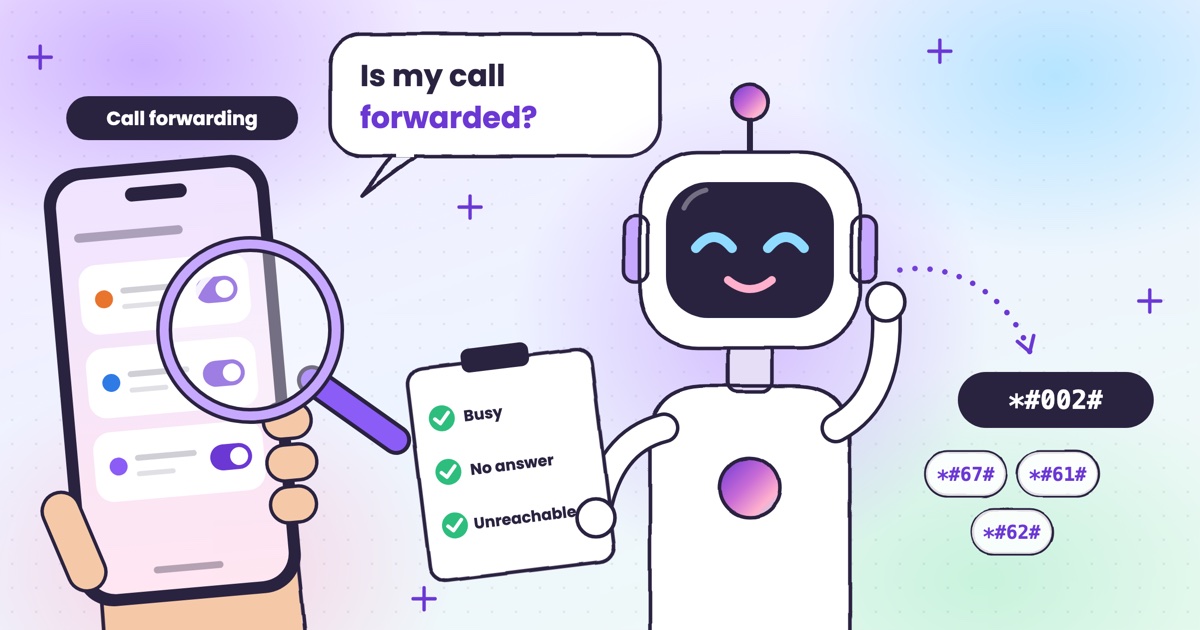 Guide · 7 min readHow to check if your calls are being forwarded, and turn it offThe signs your calls are being forwarded, the check code for each rule, and how to turn one off.
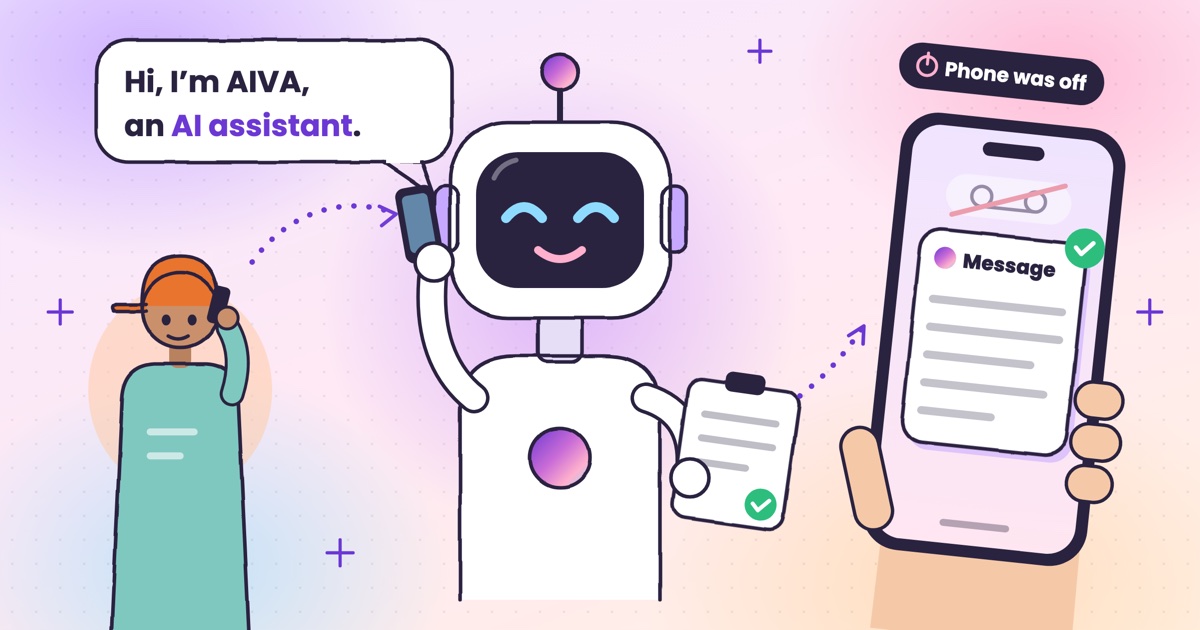 Guide · 9 min readAI voicemail in India: what to use when carrier voicemail isn’t thereWhich Indian networks still offer voicemail, what your phone does instead, and how an app that takes a message compares.
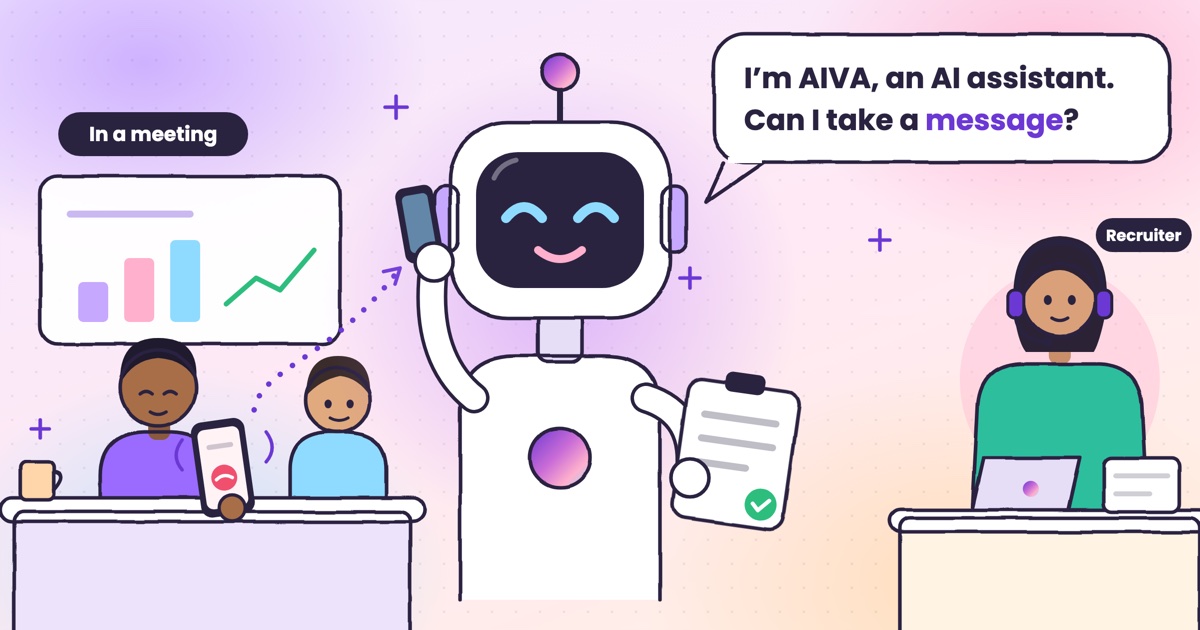 Guide · 9 min readHow to auto-answer calls on Android when you’re in a meetingWhy Android’s auto-answer is the wrong tool in a meeting, the built-in options that work, and how an AI answers the calls you decline.
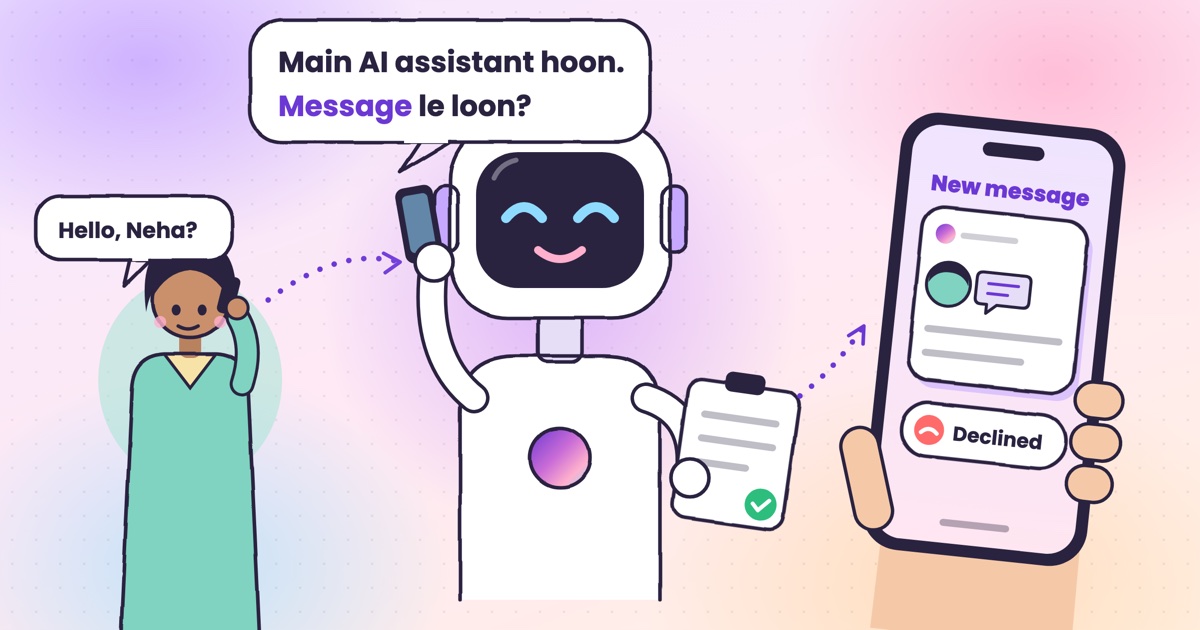 Guide · 9 min readCall utha ke message le le: apps that answer your calls and take a messageThe real ways to have a call picked up and a message taken in India, what your caller hears, and how the message reaches you.
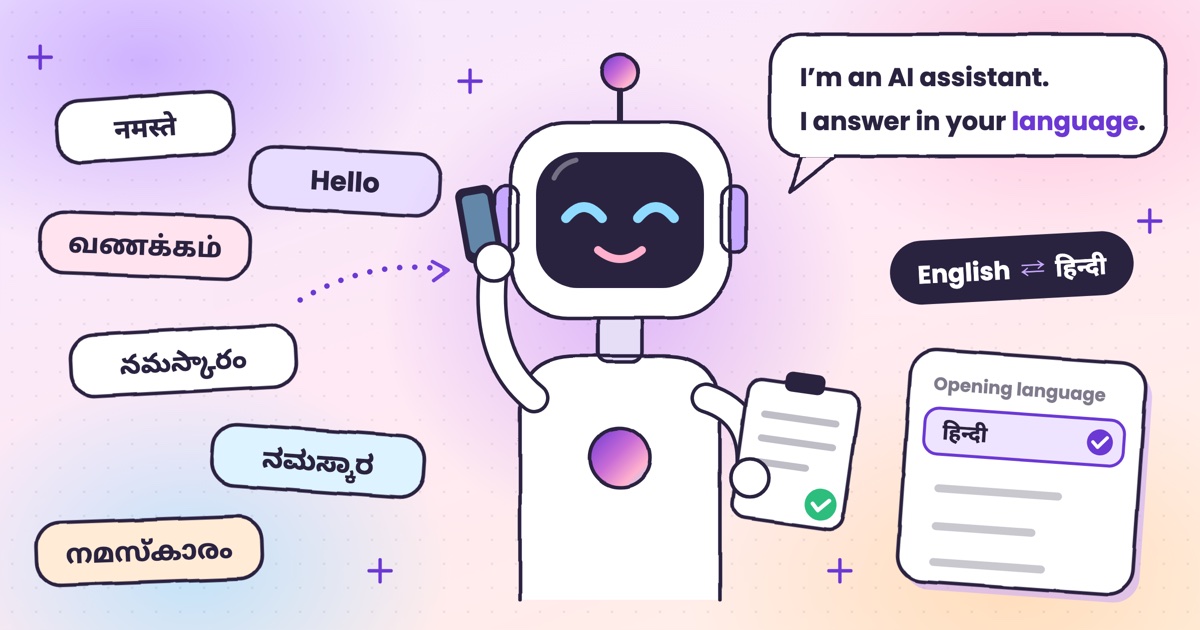 Guide · 7 min readCan AI answer calls in Hindi? Call assistants for Indian languagesWhich call assistants speak Hindi, Tamil, Telugu, Kannada and Malayalam, and how to test one before you rely on it.
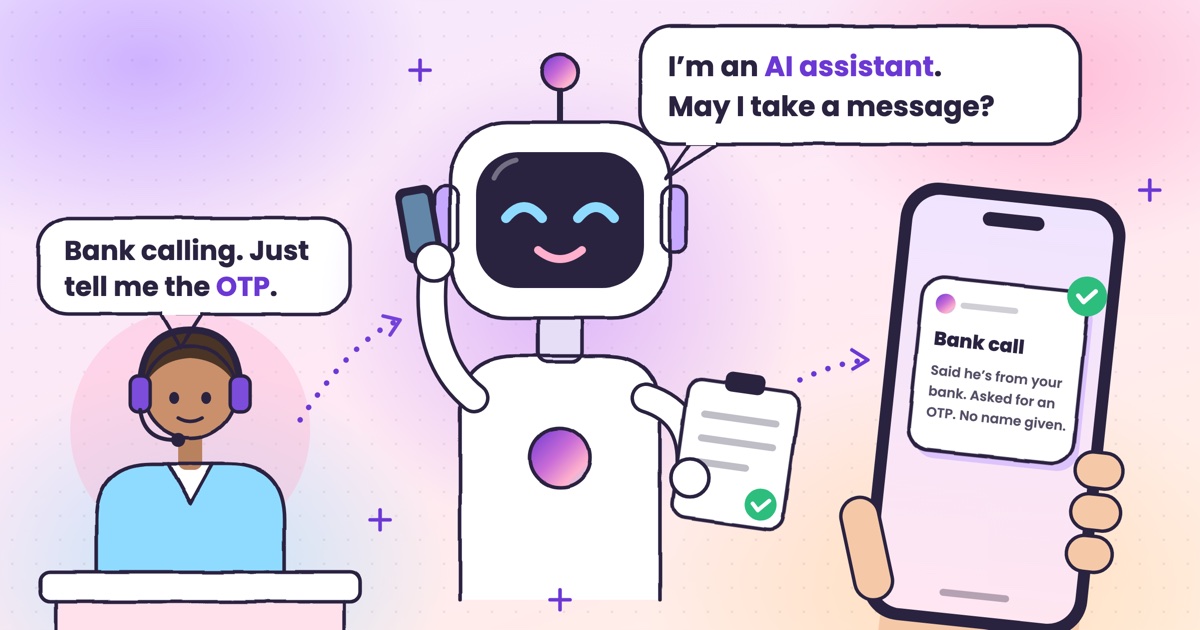 Guide · 9 min readHow to stop OTP scam calls (and what to do if you shared one)How to tell a fake bank call from a real one, and the three calls to make if you already read out a code.
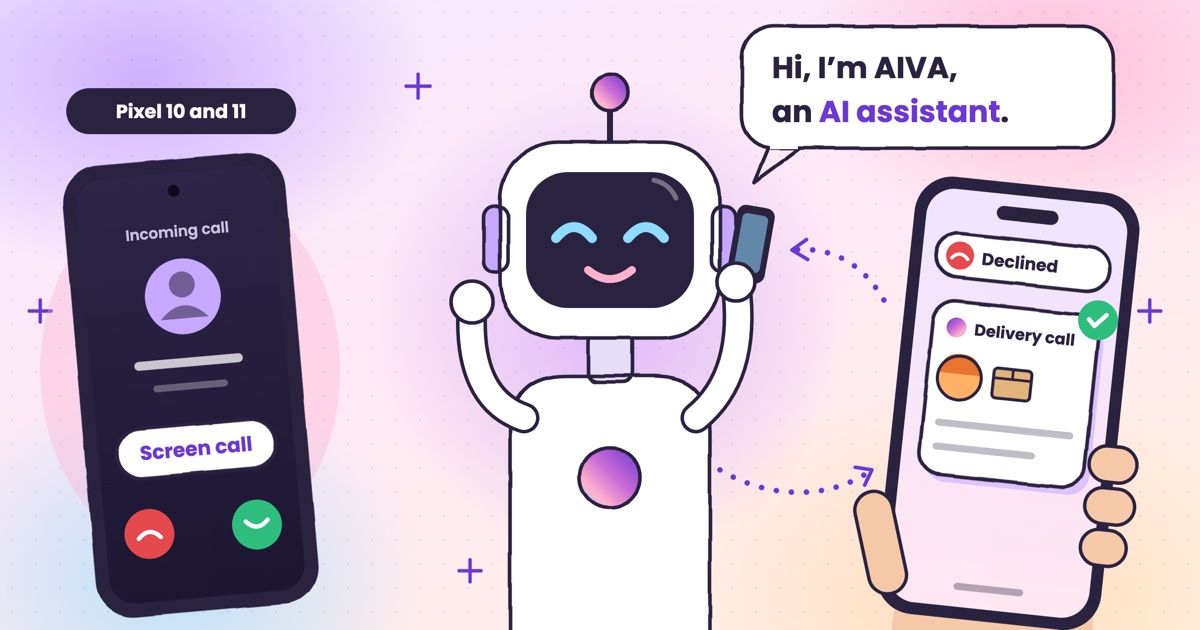 Guide · 7 min readIs Google Call Screen available in India? What works insteadWhich Pixels get Call Screen in India, how to use it, what’s missing compared with the US, and what to use on Samsung, iPhone and other Android phones.
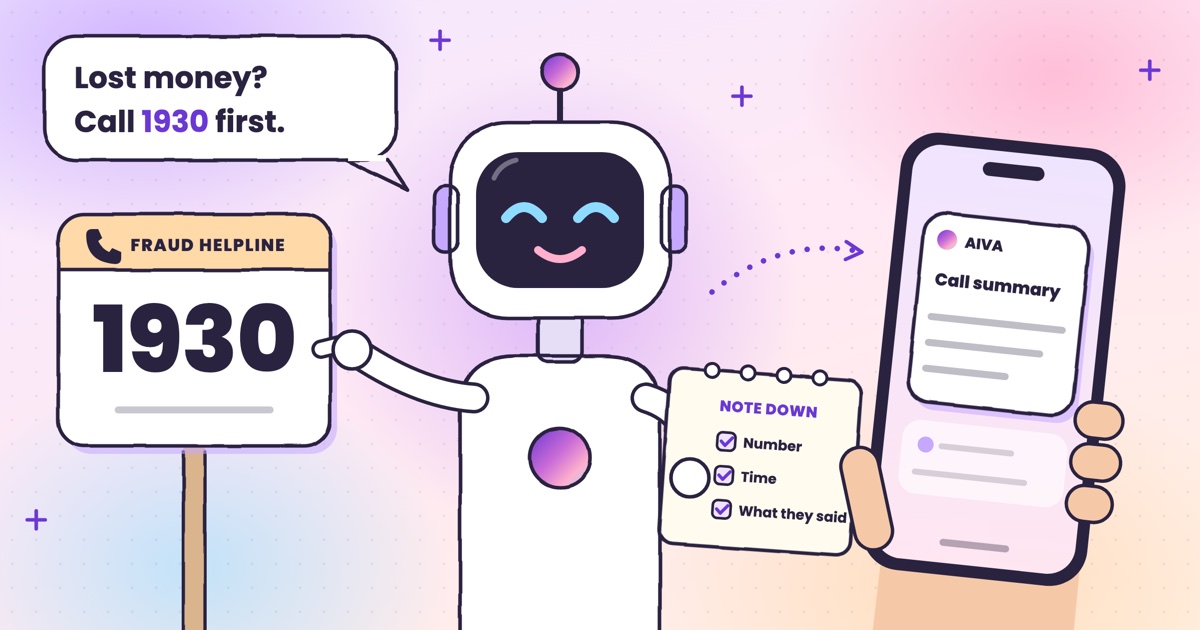 Guide · 7 min readHow to report a fraud call in India: Chakshu, 1930 and cybercrime.gov.inWhere each kind of call goes, what to write down first, the steps on each official site, and what happens after you report.
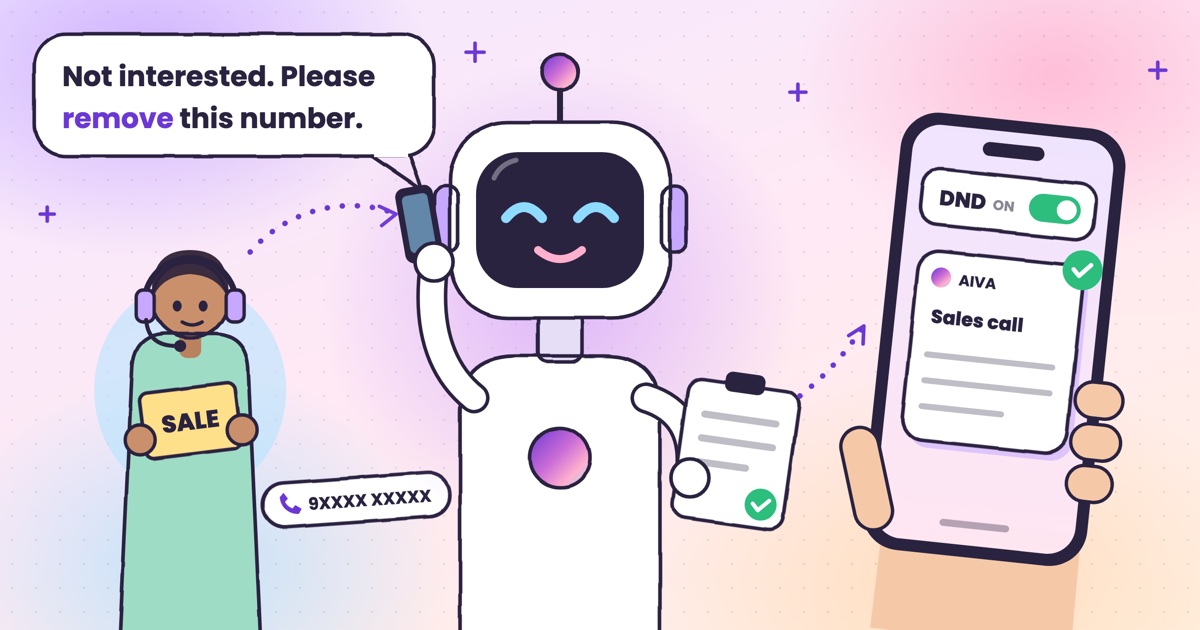 Guide · 7 min readDoes DND stop telemarketing calls? TRAI’s DND app explainedWhat DND stops, what it doesn’t, the 2025 rules and how to complain when promotional calls keep coming.
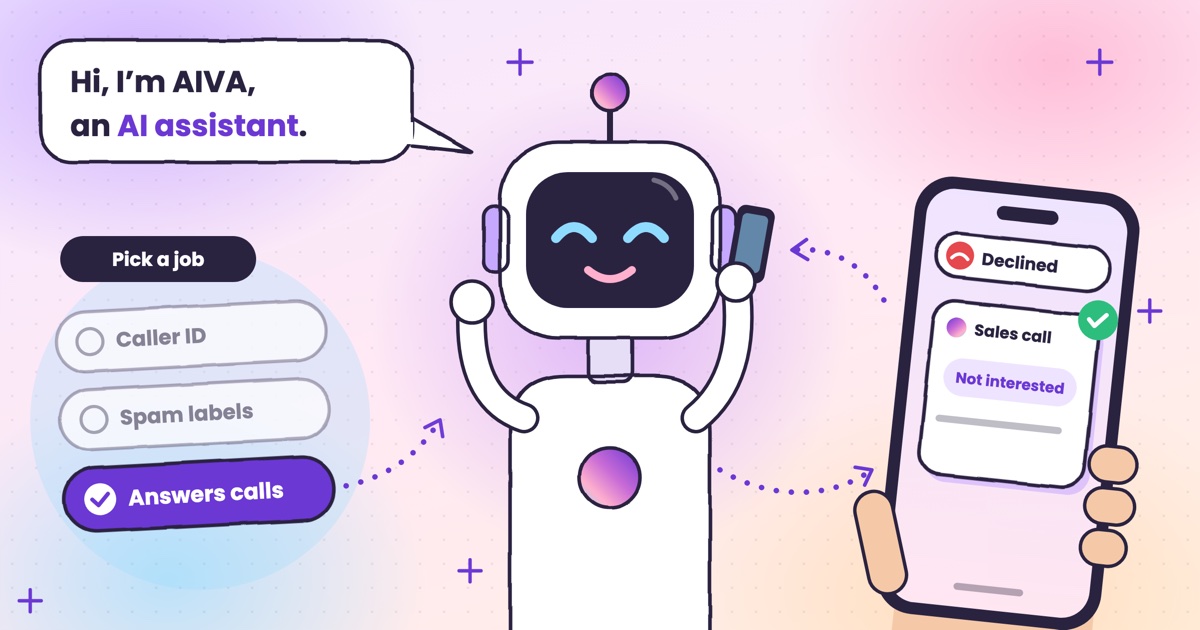 Guide · 7 min readTruecaller alternatives in 2026: caller ID, spam labels and AI answeringCaller ID apps, network spam labels, CNAP and apps that answer calls, grouped by the job you need done.
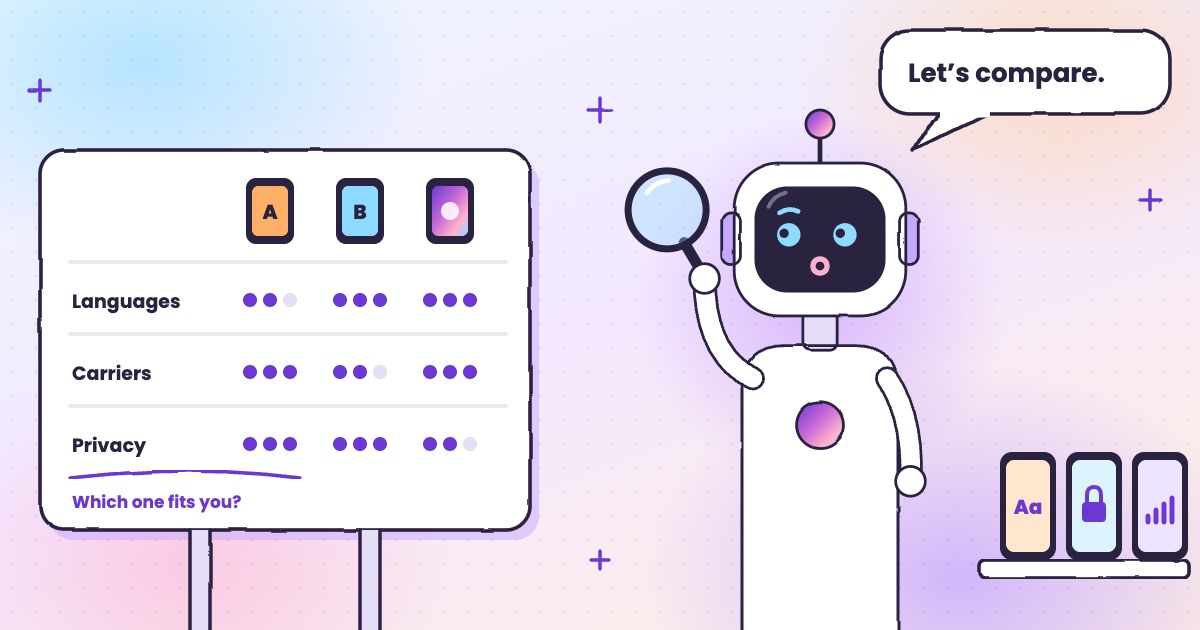 Guide · 8 min readAI call assistants compared: Truecaller, Equal AI, Google and moreTruecaller, Equal AI, Google, Apple and Samsung side by side, with sources.
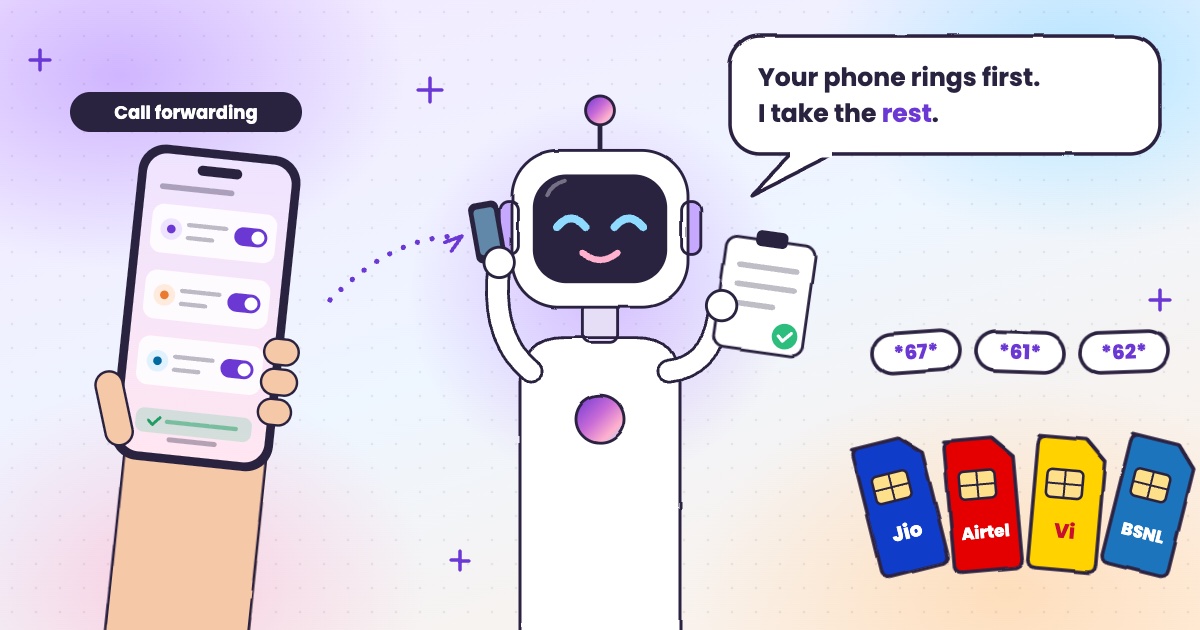 Guide · 6 min readCall forwarding codes in India: Jio, Airtel, Vi and BSNLThe codes for each network, how to turn forwarding off, and the codes never to dial.
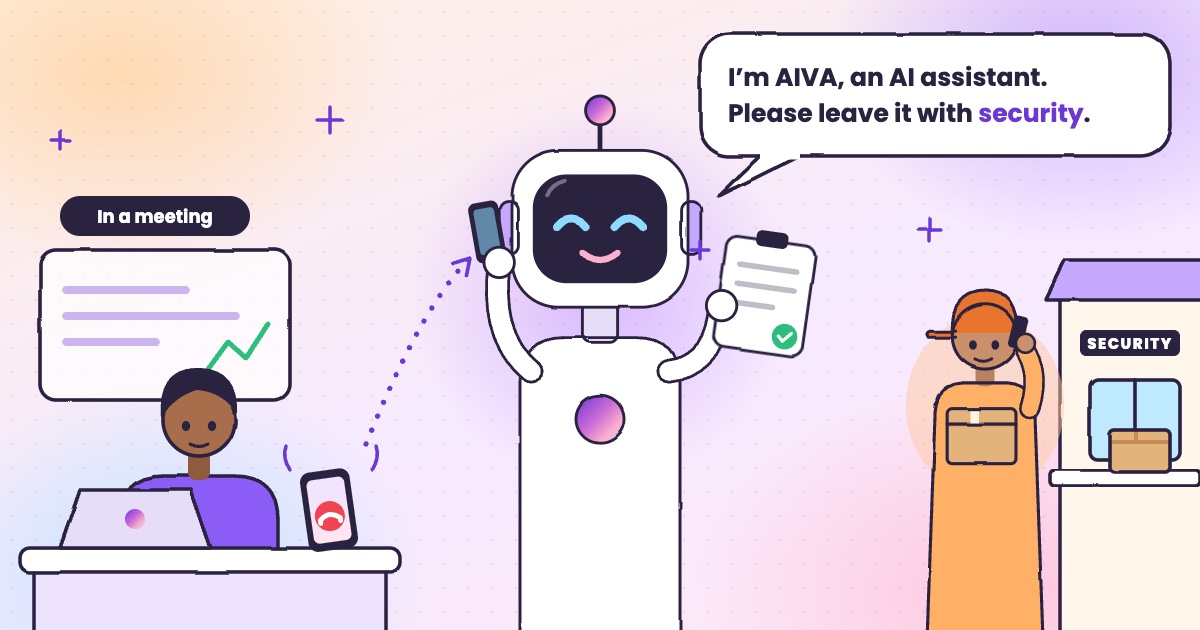 Guide · 4 min readHow to handle delivery calls while busy in a meetingWhat to do when a courier calls during a meeting, with or without an app.
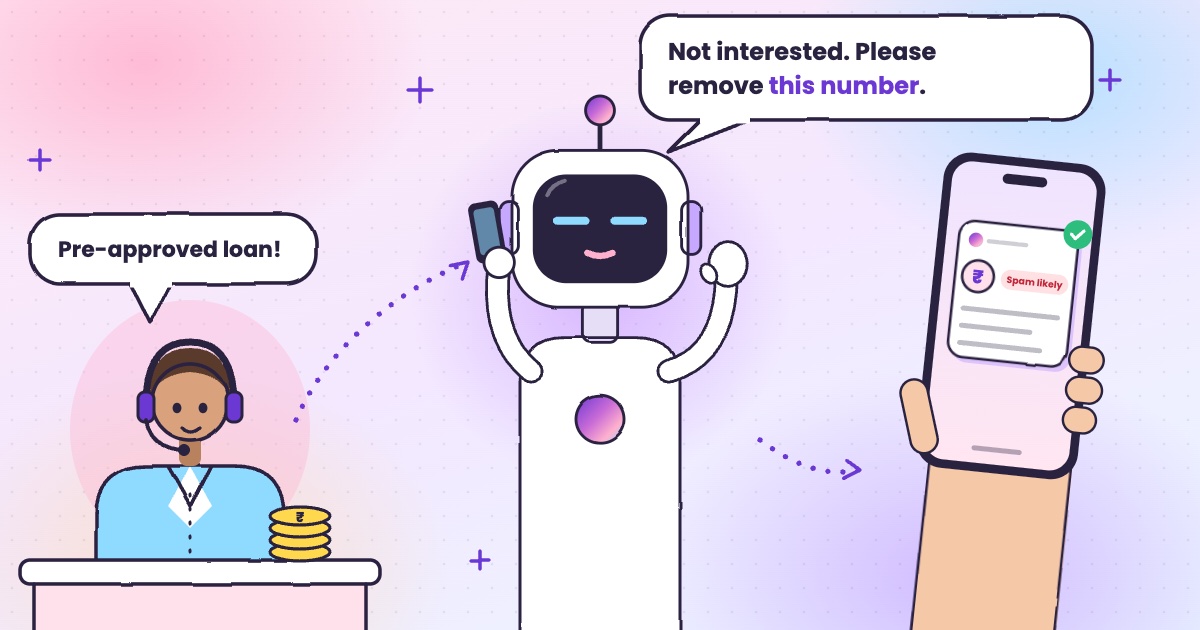 Guide · 6 min readHow to stop loan calls and spam calls in IndiaDND, reporting spam to TRAI and fraud on Chakshu, and what to do when the calls keep coming.
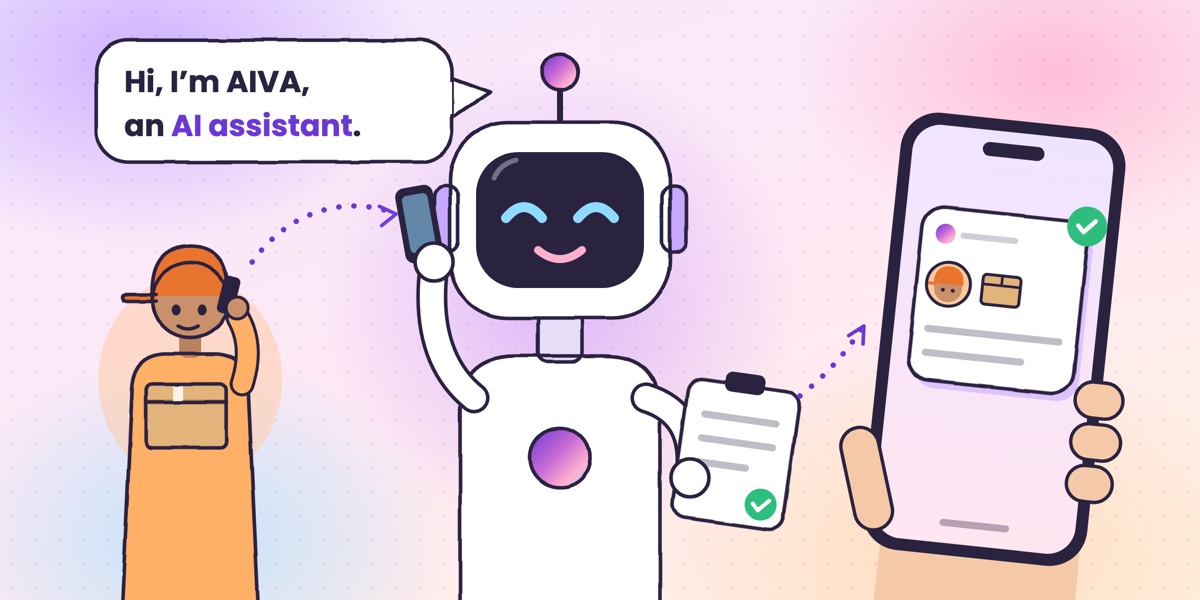 Guide · 6 min readWhat is an AI call assistant? How AIVA answers the calls you can’t takeHow AIVA answers the calls you decline, miss or can’t take, and what it does with each one.
Want to see more of our guides on Google? Add kukuaiva.app as a preferred source