Last updated:
How to stop OTP scam calls (and what to do if you shared one)
How to tell a fake bank call from a real one, the habits that make OTP scams fail, and the three calls to make if you already read out a code.
To stop OTP scam calls working, never read an OTP, PIN or CVV out to anyone who calls you: banks say they never ask for them. Hang up and call your bank on the number on your card. If you already shared an OTP, call your bank and 1930 at once, then file on cybercrime.gov.in.
This is general information, not legal or financial advice. Sources are linked where they are used (sources checked November 2026).
How do you spot a fake bank call asking for an OTP?
By the request itself. A caller who asks you to read out an OTP, PIN or CVV is not your bank: SBI says it will never ask for your card details or CVV and tells you not to share an OTP, ATM PIN or CVV over the phone, and ICICI Bank’s safe-banking page says banks never ask for your OTP, PIN, CVV, passwords or card details.
An OTP is the last step that lets a payment, a login or a change on your account go through. Whoever has it can finish that step as you, which is why every scam script ends with a request for it.
| What happens | A real bank | An OTP scammer |
|---|---|---|
| Your OTP, PIN or CVV | Never asks for them, by phone, SMS or email | Asks you to “read back the code” to verify, update or cancel something |
| Apps on your phone | Doesn’t ask you to install anything for a stranger | Asks you to install a remote-access app such as AnyDesk, TeamViewer or QuickSupport, so they can see the OTP themselves |
| Your UPI PIN | Needed only to send money, never to receive it | Says you must enter your PIN to “receive” a refund or prize |
| KYC | Updated through the bank’s own app, website or branch | Says your account will be blocked today unless you update KYC through a link or a code |
Sources: SBI’s cyber security page (OTP, CVV, remote-access apps, the UPI PIN rule and KYC calls) and ICICI Bank. Pages read in November 2026.
A typical call sounds like this. A composite script, not a real call, based on the KYC and OTP calls SBI describes:
“Ma’am, I’m calling from your bank’s KYC team. Your account will be blocked today because your KYC is pending. I’ve sent a code to your phone. Just read it back to me and I’ll update it now.”
The urgency, the bank’s name and the code all point the same way. Treat any one of them as a reason to hang up.
How do you stop OTP scam calls?
You can’t stop every one from reaching your phone, but you can stop them working. The call only succeeds if you hand over the code, so the rules are about what you do once it rings.
- Never read out an OTP, PIN or CVV to anyone who calls you, whoever they say they are. Read the whole SMS that brings an OTP before you do anything with it.
- Hang up and call back yourself on the number printed on your card or on your bank’s website, never on a number the caller gives you.
- Don’t install apps on a caller’s advice. SBI warns against installing unknown software on the advice of strangers.
- Report the number on Chakshu. If you lost nothing, report the call on Chakshu, part of Sanchar Saathi, within 30 days. Its report form lists “KYC and Payment related to Bank / Electricity / Gas / Insurance etc” and “Impersonation as Police, CBI, Customs, Aadhaar, RBI etc” as categories.
- Cut the sales calls too. DND won’t stop a fraudster, but it thins out the calls around them. Our guides to TRAI’s DND app and stopping loan and spam calls cover how.
What should you do if you shared an OTP?
Act straight away, in this order: call your bank, call 1930, then file a complaint on cybercrime.gov.in. Every minute counts, because the money can move on.
- Call your bank on the number on your card or its website. Ask them to block the card, UPI or net banking the OTP was for, and tell them you shared it on a call.
- Call 1930, the national cybercrime helpline. The Government of India (PIB, October 2025) says it helps victims of online financial fraud report promptly and, where possible, freeze fraudulent transactions. Chakshu’s own page sends anyone who has already lost money to 1930.
- File on cybercrime.gov.in, the National Cyber Crime Reporting Portal, with the number, the time of the call, what was said and the transaction details.
- Keep the evidence. Don’t delete the SMS, the call log entry or any chat. Change the passwords and PINs for anything the OTP could have reached.
Why reporting fast matters. Under the RBI’s 2017 circular on unauthorised electronic transactions, when a loss comes from your own negligence, such as sharing payment credentials, you bear the whole loss until you report it to the bank. Any loss after you report it is borne by the bank. The bank must resolve your complaint within the time its board-approved policy sets, and no later than 90 days.
The step-by-step forms for 1930, cybercrime.gov.in and Chakshu are in our guide to reporting a fraud call in India.
This is general information, not legal or financial advice.
Where should you report an OTP scam call?
It depends on whether money or a code has left your hands. If it has, your bank and 1930 come first; if it hasn’t, report the number on Chakshu.
| Where | Use it when | How soon |
|---|---|---|
| Your bank | You shared an OTP, PIN or card details, or money left your account | At once: until you report, the loss is yours |
| 1930 | You lost money to online fraud | At once, while a freeze is still possible |
| cybercrime.gov.in | To file a full complaint, with evidence, after you have called | The same day |
| Chakshu (Sanchar Saathi) | A suspected fraud call, SMS or WhatsApp, and you lost nothing | Within 30 days |
Sources: the RBI circular, PIB and Chakshu (sources checked November 2026). Menus and rules change; follow each site’s current wording.
Can Kuku AIVA help with OTP scam calls?
Only in a small way, and not by catching anyone. AIVA doesn’t detect, block or verify scam calls. Your phone rings first, and if you pick up, the call is yours as usual.
What it changes is the calls you decline or miss. Those go to AIVA, which says it is an AI assistant, asks why they are calling and takes a message. You read a summary later instead of being talked into anything live. If you set the Bank instruction to Not interested — take me off the list, it also asks them to remove your number, with no guarantee that they will.
A caller saying they’re your bank
“Your KYC is pending and your account will be blocked today. Read me the code I’ve sent you.” A composite script, not a real call.
With Bank set to Not interested — take me off the list, AIVA says you aren’t interested and asks them to take your number off their list. It doesn’t judge whether the caller is real.
Bank callCaller said your KYC is pending and asked you to read back a code. I said you’re not interested and asked them to take you off the list.
- It doesn’t detect, block, verify or report scam calls.
- You still call your bank and 1930, or report on Chakshu, yourself.
- It doesn’t answer calls you pick up yourself.
- Decline an unknown call and read the summary first.
The Kuku AIVA AI call assistant works on your own number through call forwarding; see what an AI call assistant does and the privacy policy for what is kept.
Next questionHow to report a fraud call in India: Chakshu, 1930 and cybercrime.gov.inWhere each kind of call goes, and the steps on each official site.OTP scam calls: your questions
Will my bank ever ask for my OTP on a call?
No. SBI says it will never ask for your card details or CVV and tells customers not to share an OTP, ATM PIN or CVV over the phone; ICICI Bank says banks never ask for your OTP, PIN, CVV or passwords. Hang up and call the number on your card.
I shared an OTP but no money has gone. What should I do?
Call your bank at once on its official number and ask it to block whatever the OTP was for, then change your passwords and PINs. Report the call on Chakshu in the Sanchar Saathi website or app within 30 days. If money does leave your account, call 1930 straight away.
Can I get my money back after an OTP scam?
There is no guarantee. Under the RBI’s 2017 circular, if you shared your credentials you bear the loss until you report it to the bank, and the bank bears any loss after that. Calling 1930 quickly gives the best chance of a freeze, where one is still possible.
OTP fraud call aaye to kya kare?
Don’t share the OTP, and hang up. Call your bank on the number on your card. If you already shared it or lost money, call your bank and 1930 at once and file a complaint on cybercrime.gov.in. If you lost nothing, report the number on Chakshu.
Does Kuku AIVA block OTP scam calls?
No. It doesn’t detect, block or verify calls, and your phone still rings first. When you decline or miss a call, AIVA says it is an AI assistant, asks why they called and takes a message, so you read a summary instead of talking to the caller live.
More guides
 Guide · 7 min readHow to stop spam calls on Android in India: the settings on your phoneThe spam filter in Google’s Phone app and on Samsung, blocking numbers, silencing unknown callers, and network spam labels.
 Guide · 7 min readIs Kuku AIVA safe? What it can see, what it keeps, and who makes itWho makes Kuku AIVA, every Android permission it uses and why, what callers hear, and how to delete your data.
 Guide · 7 min readConditional call forwarding codes for AT&T, T-Mobile and VerizonThe busy, no-answer and unreachable codes for each US carrier, how to turn them off, and the codes never to dial.
 Guide · 8 min readDigital arrest, KYC and courier scams: how to spot each on a callDigital arrest, KYC, electricity, courier and UPI refund scams: the script each one follows and its red flags.
 Guide · 8 min readAI voice-cloning scams: how to tell if you’re talking to an AIHow cloned-voice calls work, how to check who is really calling, and a safe word for your family.
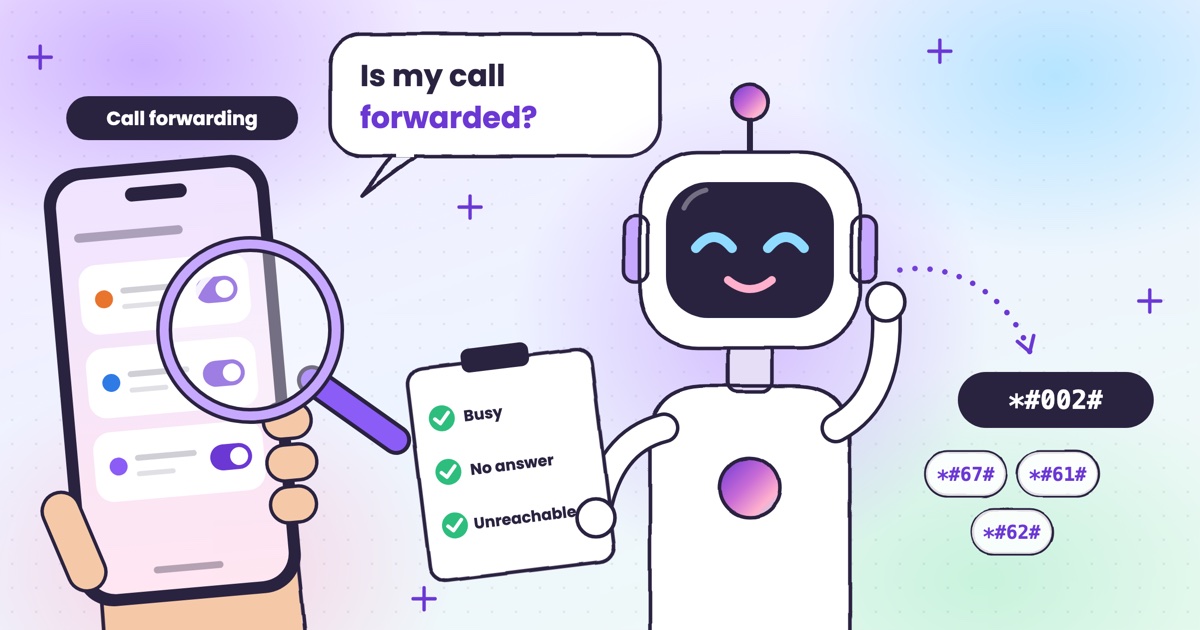 Guide · 7 min readHow to check if your calls are being forwarded, and turn it offThe signs your calls are being forwarded, the check code for each rule, and how to turn one off.
 Guide · 9 min readAI voicemail in India: what to use when carrier voicemail isn’t thereWhich Indian networks still offer voicemail, what your phone does instead, and how an app that takes a message compares.
 Guide · 9 min readHow to auto-answer calls on Android when you’re in a meetingWhy Android’s auto-answer is the wrong tool in a meeting, the built-in options that work, and how an AI answers the calls you decline.
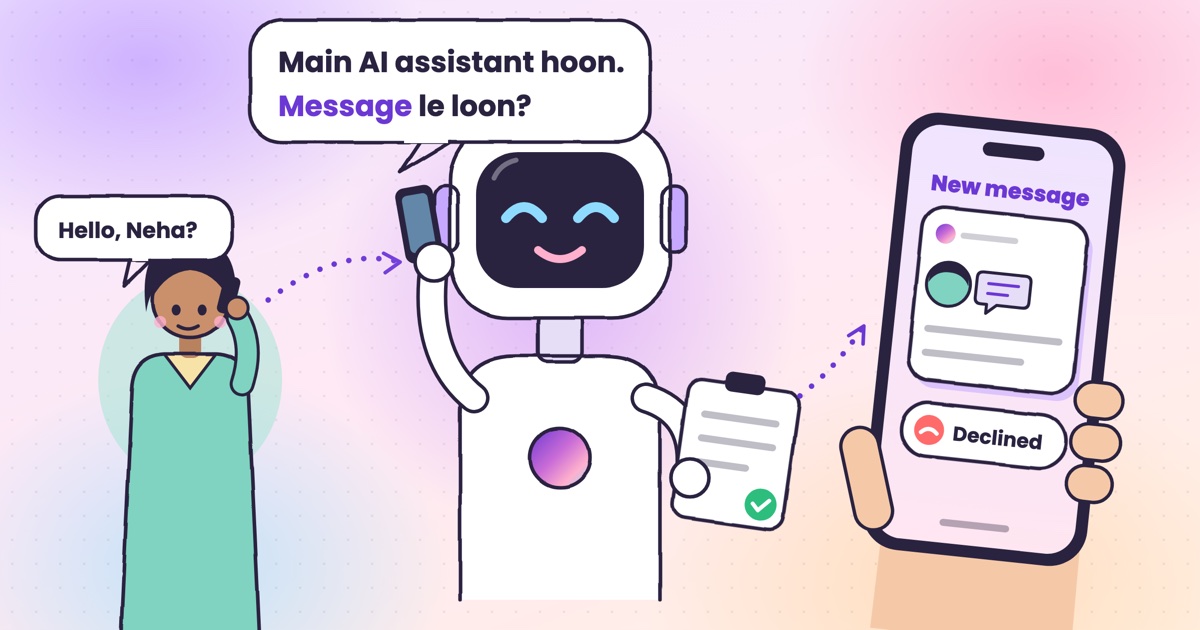 Guide · 9 min readCall utha ke message le le: apps that answer your calls and take a messageThe real ways to have a call picked up and a message taken in India, what your caller hears, and how the message reaches you.
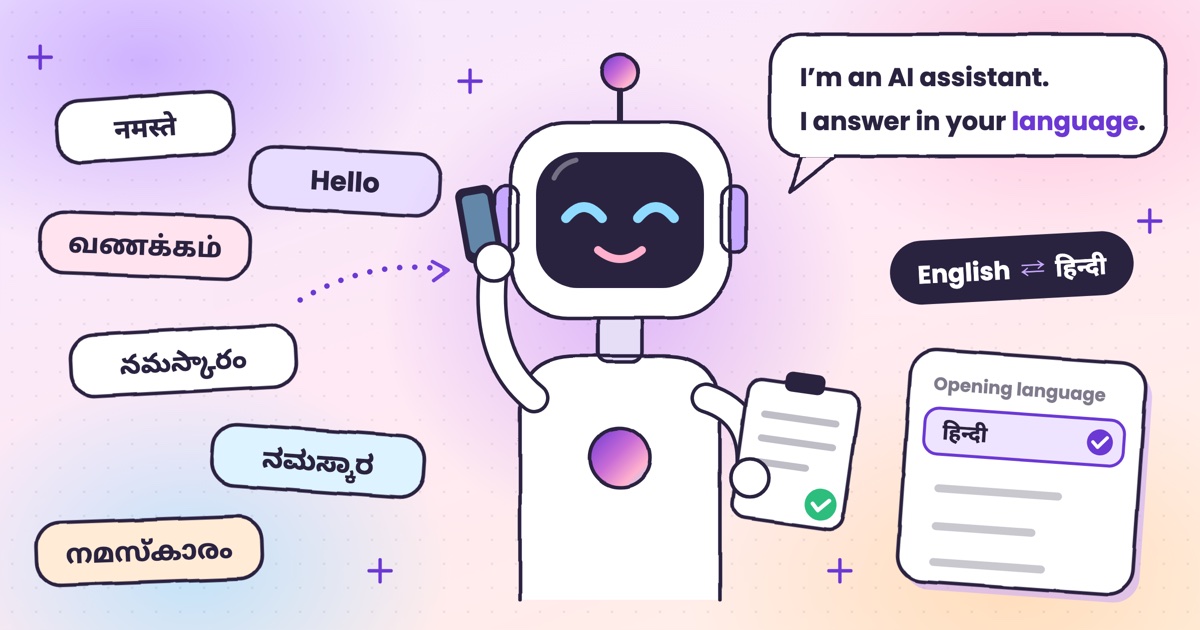 Guide · 7 min readCan AI answer calls in Hindi? Call assistants for Indian languagesWhich call assistants speak Hindi, Tamil, Telugu, Kannada and Malayalam, and how to test one before you rely on it.
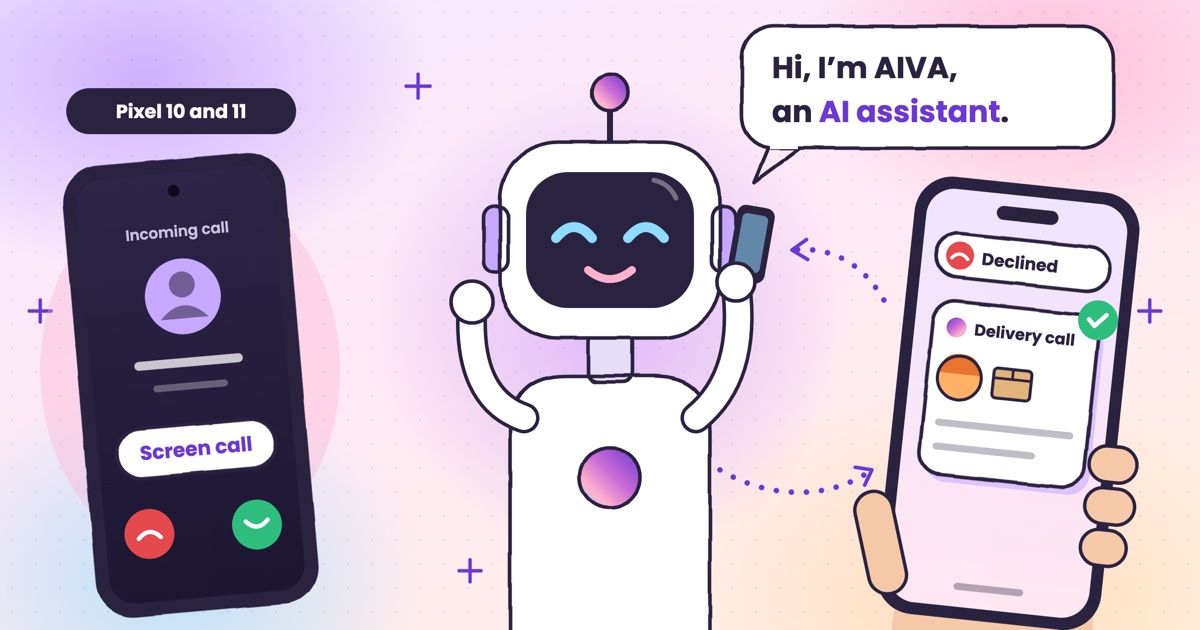 Guide · 7 min readIs Google Call Screen available in India? What works insteadWhich Pixels get Call Screen in India, how to use it, what’s missing compared with the US, and what to use on Samsung, iPhone and other Android phones.
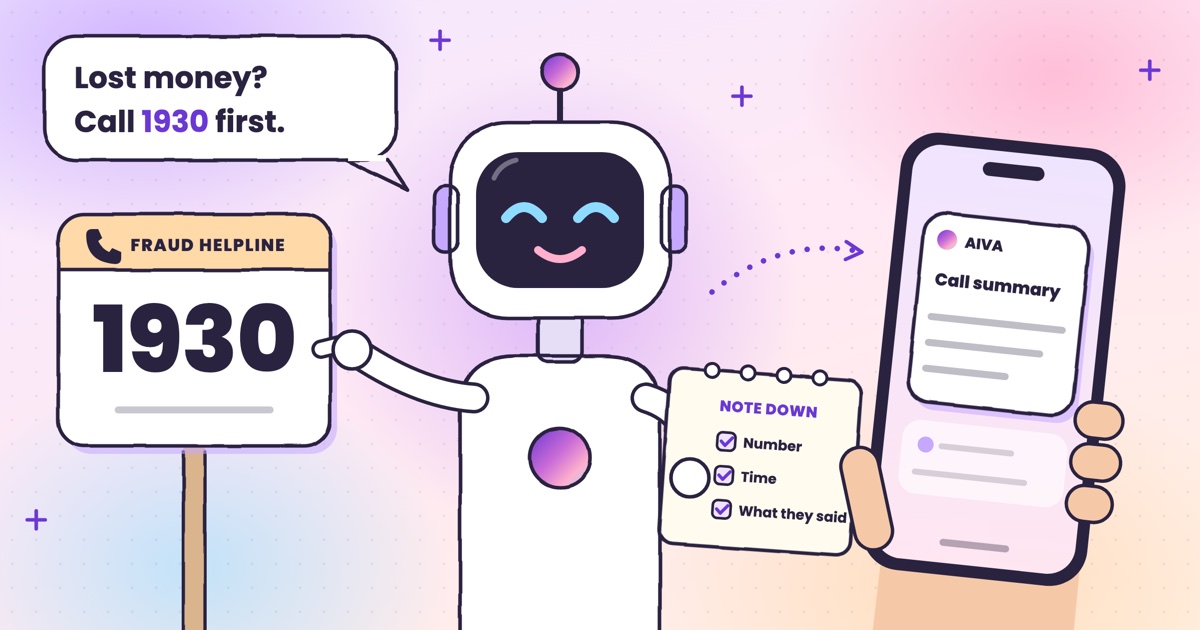 Guide · 7 min readHow to report a fraud call in India: Chakshu, 1930 and cybercrime.gov.inWhere each kind of call goes, what to write down first, the steps on each official site, and what happens after you report.
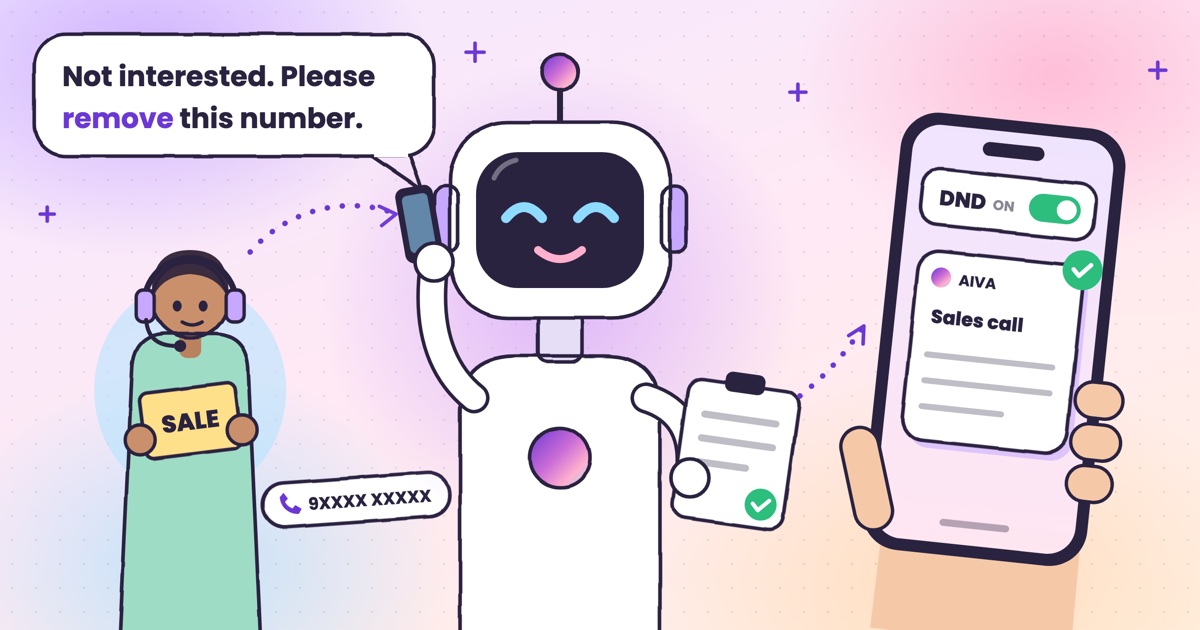 Guide · 7 min readDoes DND stop telemarketing calls? TRAI’s DND app explainedWhat DND stops, what it doesn’t, the 2025 rules and how to complain when promotional calls keep coming.
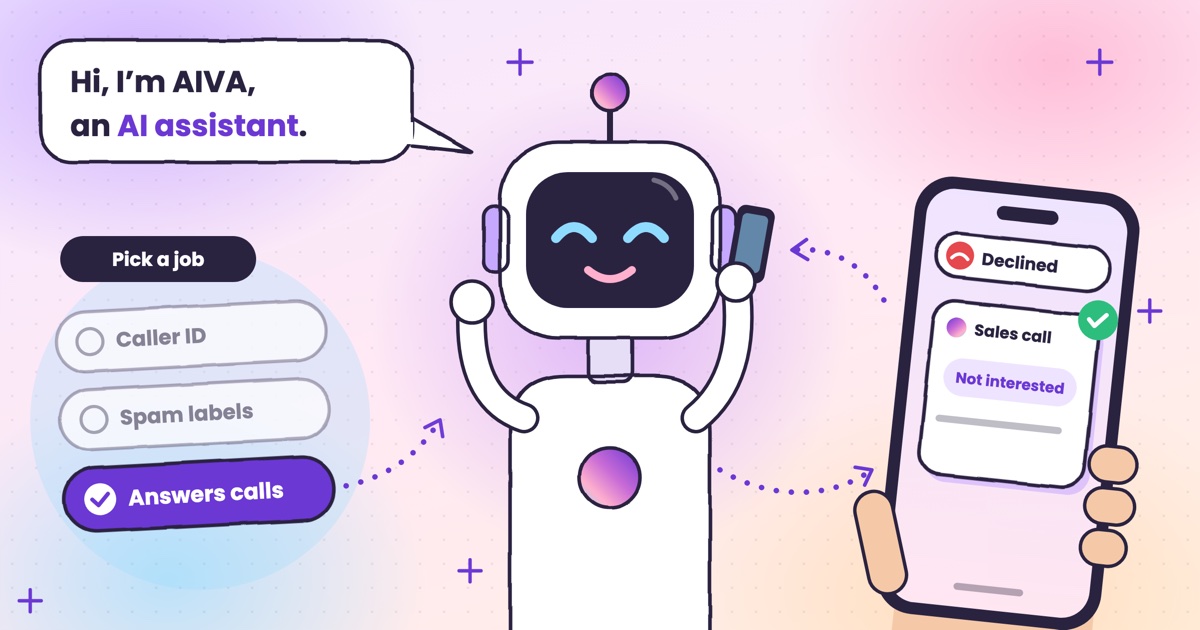 Guide · 7 min readTruecaller alternatives in 2026: caller ID, spam labels and AI answeringCaller ID apps, network spam labels, CNAP and apps that answer calls, grouped by the job you need done.
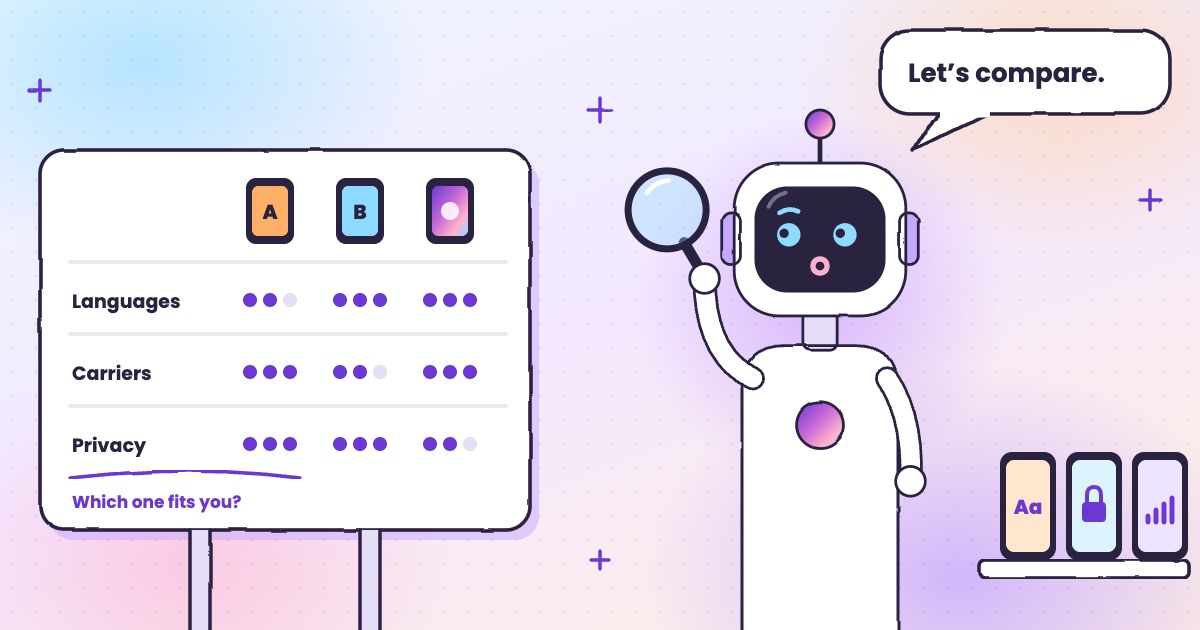 Guide · 8 min readAI call assistants compared: Truecaller, Equal AI, Google and moreTruecaller, Equal AI, Google, Apple and Samsung side by side, with sources.
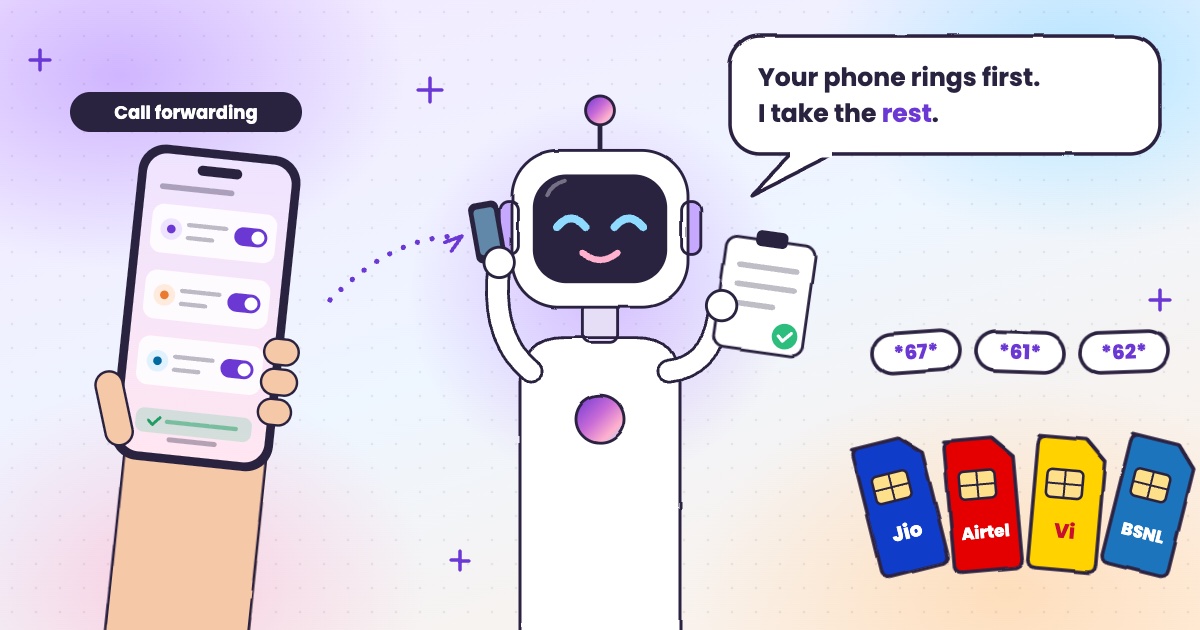 Guide · 6 min readCall forwarding codes in India: Jio, Airtel, Vi and BSNLThe codes for each network, how to turn forwarding off, and the codes never to dial.
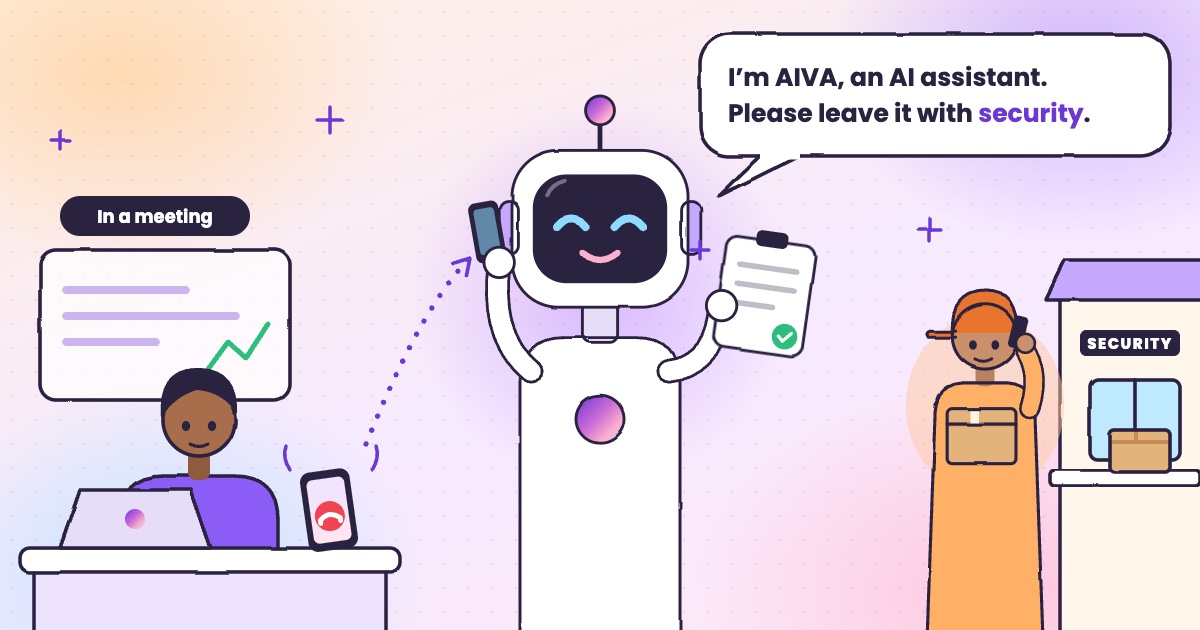 Guide · 4 min readHow to handle delivery calls while busy in a meetingWhat to do when a courier calls during a meeting, with or without an app.
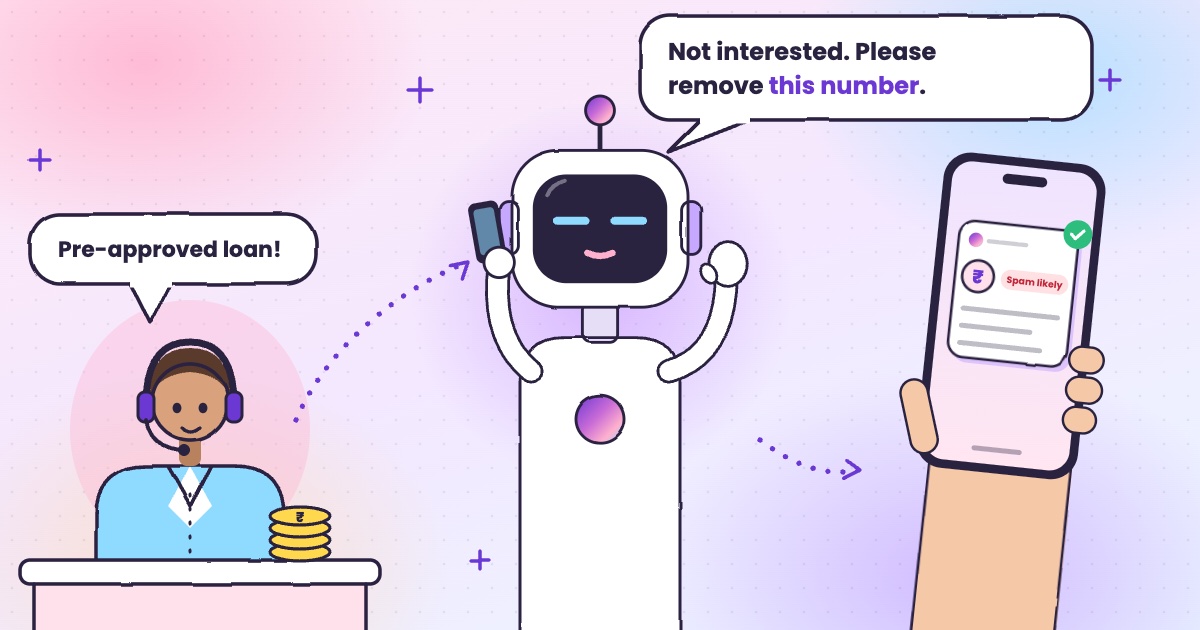 Guide · 6 min readHow to stop loan calls and spam calls in IndiaDND, reporting spam to TRAI and fraud on Chakshu, and what to do when the calls keep coming.
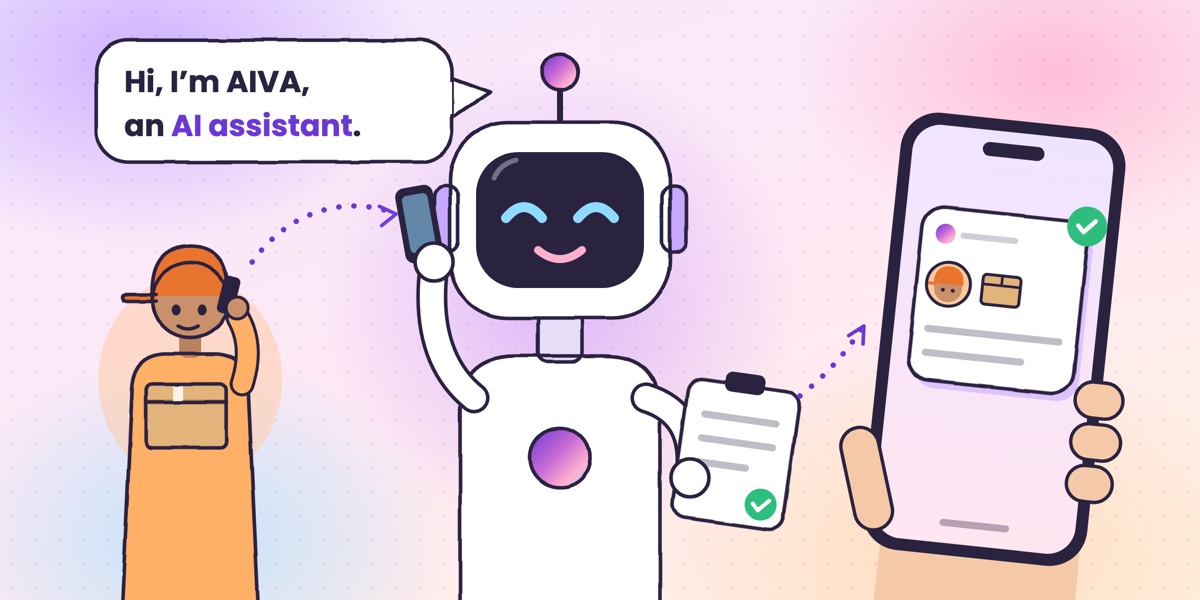 Guide · 6 min readWhat is an AI call assistant? How AIVA answers the calls you can’t takeHow AIVA answers the calls you decline, miss or can’t take, and what it does with each one.
Want to see more of our guides on Google? Add kukuaiva.app as a preferred source