Digital arrest, KYC and courier scams: how to spot each on a call
What the caller says in six common scams, the red flags to listen for and what to do instead, drawn from government and RBI advisories.
Phone scams in India follow one script: a caller claims authority, such as the police, your bank, a courier or the electricity board, invents an emergency, and pushes you to pay, share a code or install an app before you can check. Hang up, call the organisation on a number you find yourself, and report the call.
How do phone scams in India work?
Most run the same four steps, whatever the story, as the Indian Cyber Crime Coordination Centre (I4C) and RBI describe them:
A claim of authority
Police, CBI, customs, RBI, your bank, a courier, the power company. The number may be spoofed.
An emergency
Your account will be blocked, your parcel holds drugs, your power goes off tonight.
Pressure to stay on
Don’t hang up, don’t tell anyone, stay on this video call.
The ask
Pay, share an OTP or PIN, approve a UPI request, dial a code or install an app.
- 1,23,672
digital arrest and related cases reported on the national cybercrime portal in 2024.
PIB, December 2025 - 1,06,483
Chakshu reports in 2025 about KYC and payments for banks, electricity, gas or insurance.
PIB, 5 February 2026 - 60,985
Chakshu reports in 2025 about fake customer care helplines.
Same release
What is the digital arrest scam?
A “digital arrest” is a scam in which callers pose as police or another agency, accuse you of a crime and keep you on a video call until you pay. I4C’s March 2025 advisory says there is no concept of digital arrest in any Indian law.
Digital arrest
Police, CBI, RBI, EDRed flags
- Claims to be police, CBI, narcotics, RBI or ED, often from a spoofed number
- Keeps you on a video call, sometimes with a fake police station behind them
- Demands money to drop or settle a case
What to do
- Hang up and check with your nearest police station
- Talk to family before you move any money
How to spot a KYC or electricity scam call
Both scams threaten to cut something off unless you “update” through the caller. Your bank or power company won’t ask for an OTP, PIN or app install on an unsolicited call.
KYC update or account block
Bank, wallet, SIMRed flags
- False urgency: your account will be frozen, blocked or closed
- Asks for login details, card details, a PIN or OTP, or an app from a link
What to do
- Call your bank on the number from its official website
- Never share an OTP, PIN or KYC copies with a caller
Source: RBI press release, 2 February 2024.
The electricity version is the same: your power will be cut tonight unless you install an app, which can take control of your phone. Check your bill or the power company’s own app (PIB, 17 June 2024).
How to spot courier, UPI refund and customer care scams
These three get you to take the risky step yourself: dial a code, approve a payment or move money “temporarily”. A genuine company never needs you to.
Undeliverable parcel
Courier, deliveryRed flags
- Asks you to dial a code: it forwards your calls, OTP calls included, to them
- Says the parcel holds illegal items and passes you to “police”
What to do
- Check the parcel on the courier’s official website
- Never dial a code a caller gives you
- Dial *#21# to see if your calls are being forwarded
Sources: DoT parcel scam advisory and the I4C advisory above.
“Sent by mistake” UPI refund
Jumped depositRed flags
- A small credit you didn’t expect, then a call about it
- A collect request for a much larger amount, labelled as a refund
- Asks for your UPI PIN, which is never needed to receive money
What to do
- Decline the request
- Check the credit in your bank app, and let the bank handle any genuine return
Source: DoT jumped deposit advisory.
Fake customer care helpline
Banks, shops, appsRed flags
- You got the number from a search result, a map listing or a social media reply
- Asks you to transfer money “temporarily” or pay to get a refund
What to do
- Take helpline numbers only from the official website or app
- Or use Trusted Contact Details on Sanchar Saathi
- Never pay to receive a refund
Sources: I4C advisory, 21 March 2022, DoT credit card scam advisory, April 2026.
What to do if a scammer already has your money or OTP
Act within the hour: your bank, then 1930, then a complaint on cybercrime.gov.in. If nothing was lost, report the number on Chakshu.
- Bank
Block cards and UPI through the number on your card or the bank’s website.
- 1930
Call the cyber fraud helpline, which can help freeze the money where it still can be.
- Report
File on cybercrime.gov.in, or on Chakshu if no money moved.
Each step and what to note first are in our guide to reporting a fraud call in India. If you shared an OTP, our OTP scam guide covers what to do in the first few minutes.
Can an AI call assistant protect you from scam calls?
No app can promise that. Kuku AIVA, an Android app from Kuku Technologies Limited, the makers of Kuku FM, doesn’t detect, block or verify scam callers. It changes who takes the pressure. Your phone rings first; the calls you decline or miss go to AIVA, which tells the caller it is an AI assistant, asks why they called and takes a message.
On the call
Hello, I’m an AI assistant answering for the person you’re calling. They can’t come to the phone right now. May I know why you’re calling?
This is the courier office. A parcel in your name is on hold. I need to speak to them now.
Thank you. I’ll pass your message on.
Notification on your phone: AIVAnow Parcel on holdCaller said a parcel in your name is on hold and asked you to call back urgently.
- You read what they wanted, then check it on your own terms
- It can’t tell you whether a caller is genuine: the red flags above still apply
See the privacy policy for what it keeps.
Phone scams: your questions
Digital arrest kya hota hai?
It is a scam, not a legal process. I4C says there is no concept of digital arrest in any Indian law. Callers pose as police, CBI or RBI, keep you on a video call and demand money. Hang up, check with your nearest police station, and call 1930 if you paid.
Will my bank call me to update KYC?
If you get a KYC request, contact your bank yourself on the number from its official website. RBI says never to share login details, card details, PINs, passwords or OTPs, and not to click unverified links in such messages.
Do I need a UPI PIN to receive money?
No. DoT’s advisory on deposit scams says the PIN is not needed to receive money; entering it approves a payment. Decline any request presented as a refund.
What should I do if I already paid a scammer?
Call your bank and 1930 at once, then file a complaint on cybercrime.gov.in. If no money moved, report the call on Chakshu in the Sanchar Saathi portal or app.
Does Kuku AIVA detect or block scam calls?
No. It doesn’t detect, block or verify callers, and your phone still rings first. It answers the calls you decline or miss, tells the caller it is an AI assistant, takes a message and sends you a summary.
More guides
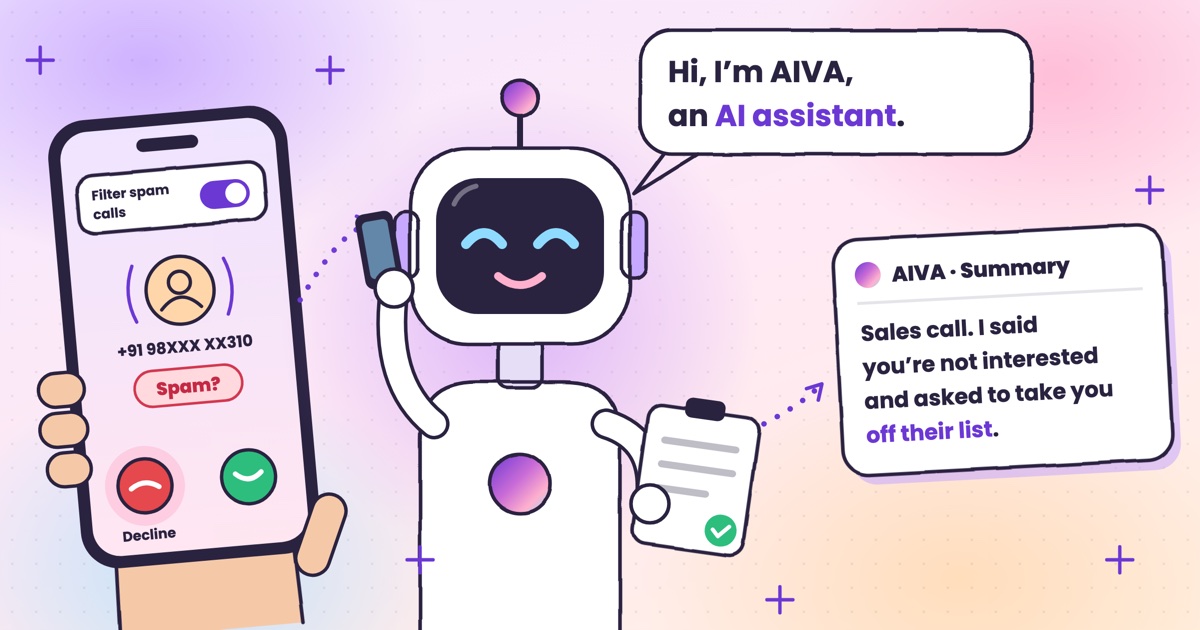 Guide · 7 min readHow to stop spam calls on Android in India: the settings on your phoneThe spam filter in Google’s Phone app and on Samsung, blocking numbers, silencing unknown callers, and network spam labels.
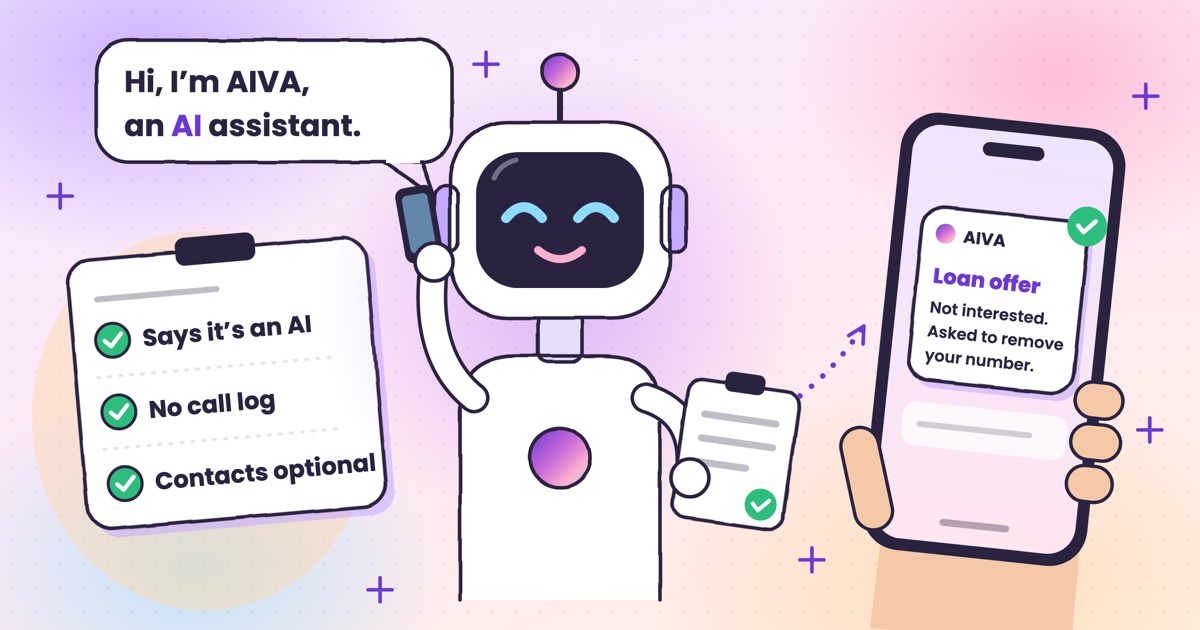 Guide · 7 min readIs Kuku AIVA safe? What it can see, what it keeps, and who makes itWho makes Kuku AIVA, every Android permission it uses and why, what callers hear, and how to delete your data.
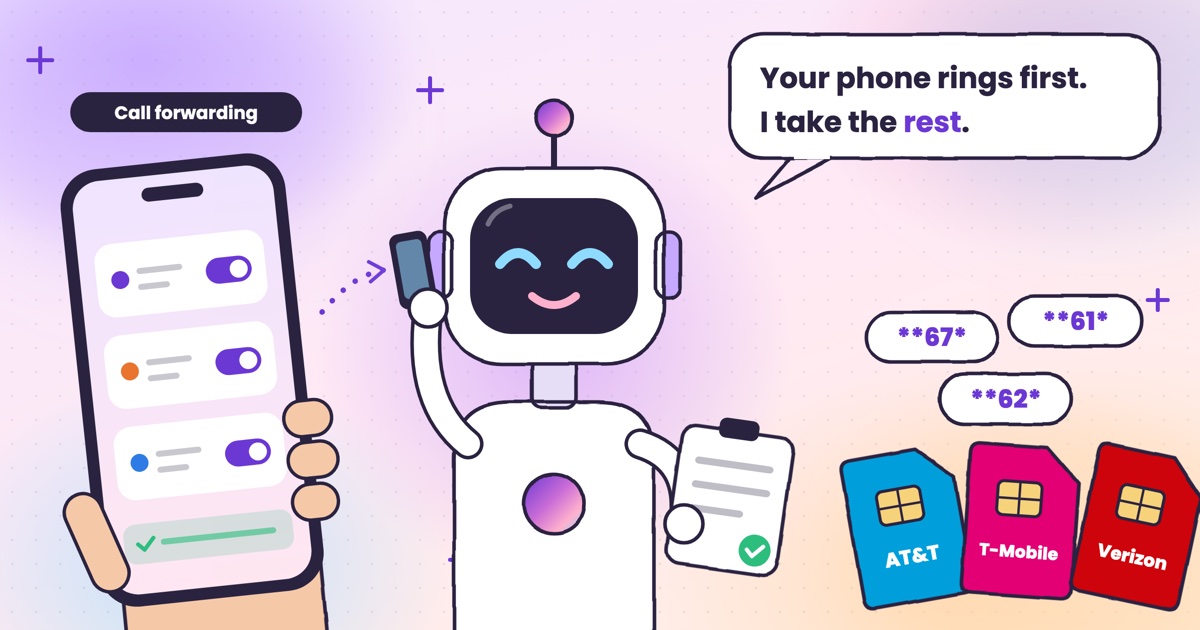 Guide · 7 min readConditional call forwarding codes for AT&T, T-Mobile and VerizonThe busy, no-answer and unreachable codes for each US carrier, how to turn them off, and the codes never to dial.
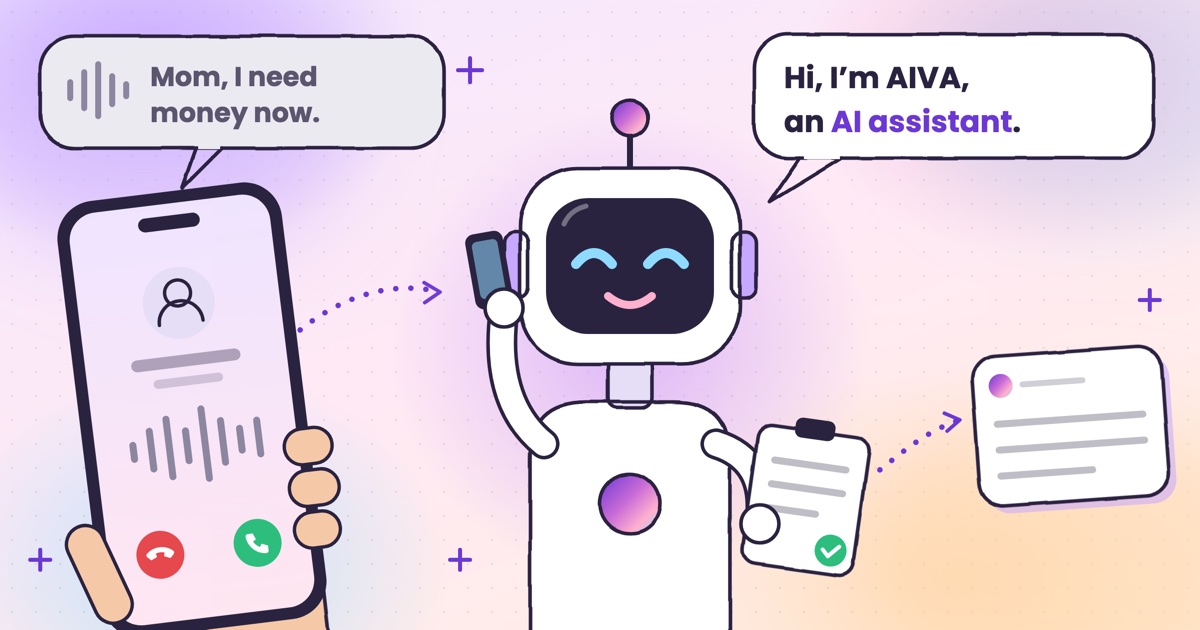 Guide · 8 min readAI voice-cloning scams: how to tell if you’re talking to an AIHow cloned-voice calls work, how to check who is really calling, and a safe word for your family.
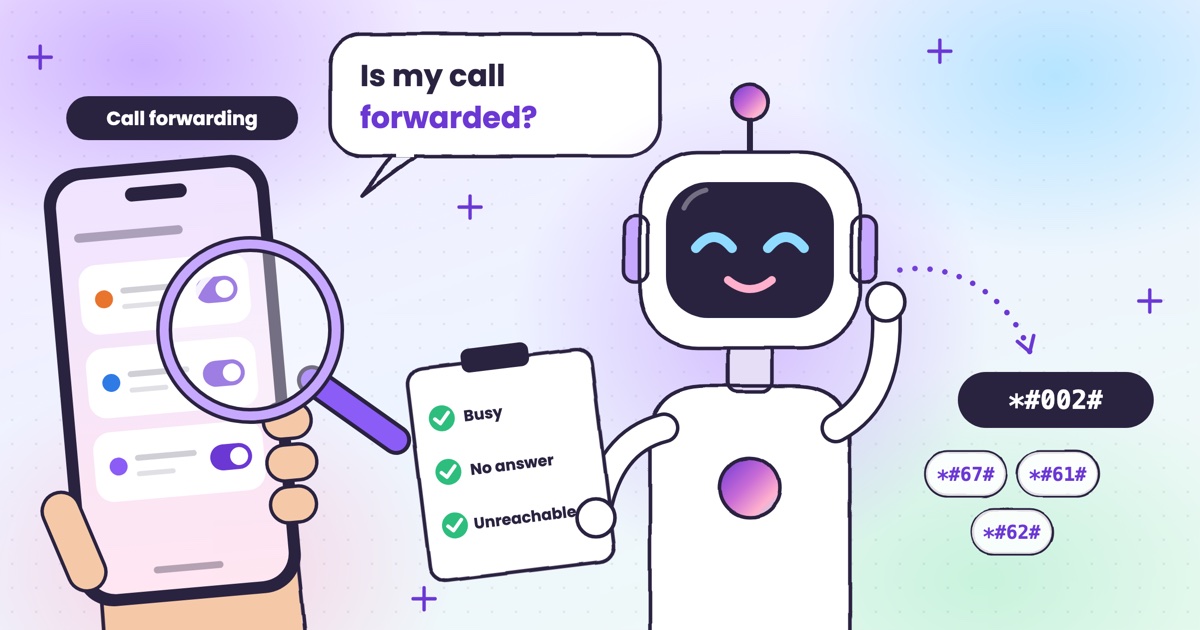 Guide · 7 min readHow to check if your calls are being forwarded, and turn it offThe signs your calls are being forwarded, the check code for each rule, and how to turn one off.
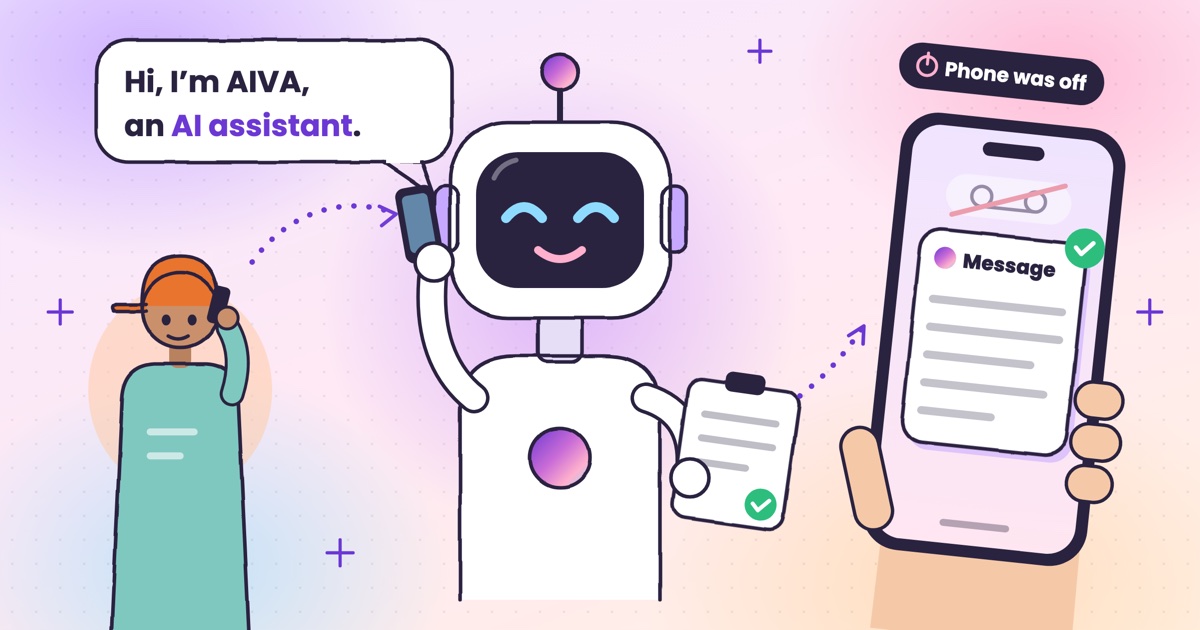 Guide · 9 min readAI voicemail in India: what to use when carrier voicemail isn’t thereWhich Indian networks still offer voicemail, what your phone does instead, and how an app that takes a message compares.
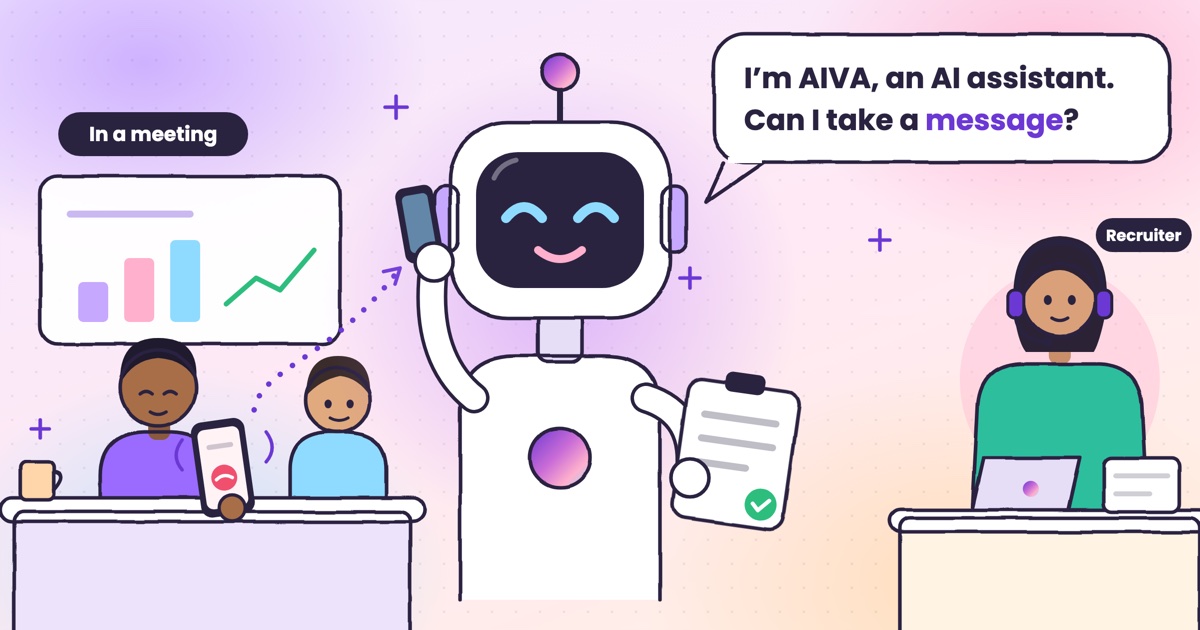 Guide · 9 min readHow to auto-answer calls on Android when you’re in a meetingWhy Android’s auto-answer is the wrong tool in a meeting, the built-in options that work, and how an AI answers the calls you decline.
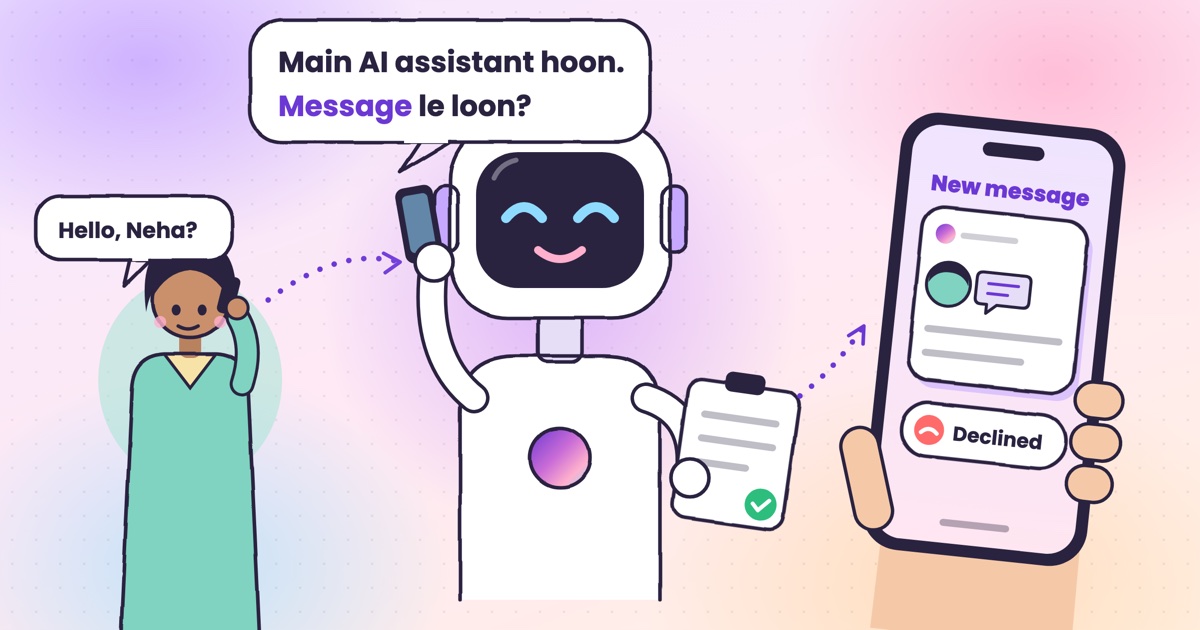 Guide · 9 min readCall utha ke message le le: apps that answer your calls and take a messageThe real ways to have a call picked up and a message taken in India, what your caller hears, and how the message reaches you.
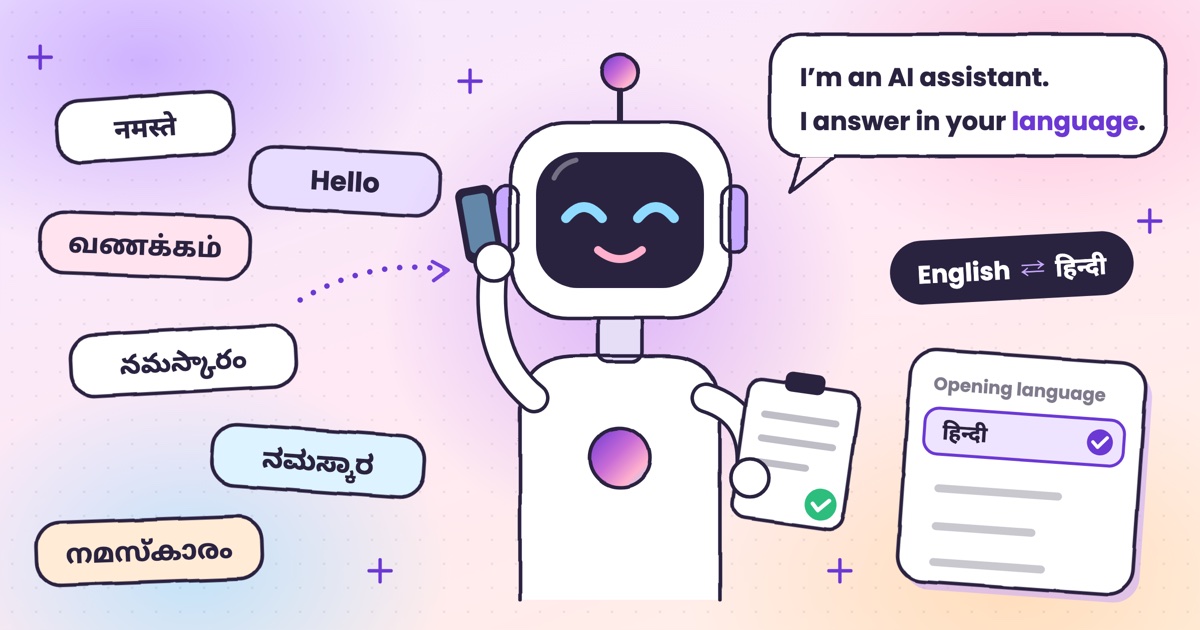 Guide · 7 min readCan AI answer calls in Hindi? Call assistants for Indian languagesWhich call assistants speak Hindi, Tamil, Telugu, Kannada and Malayalam, and how to test one before you rely on it.
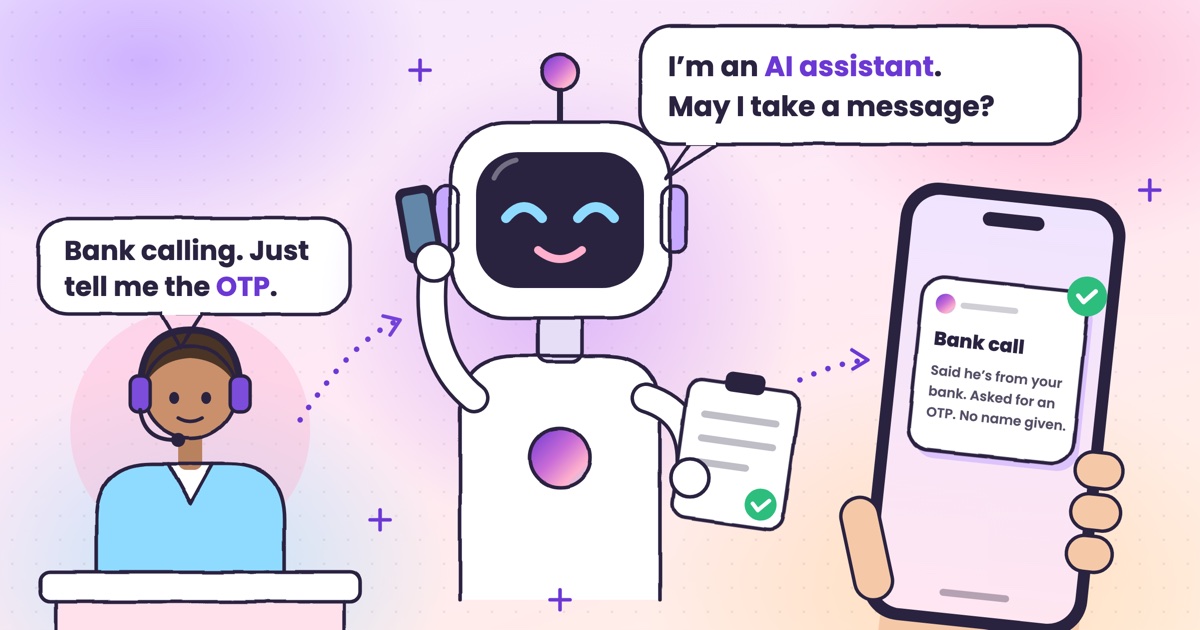 Guide · 9 min readHow to stop OTP scam calls (and what to do if you shared one)How to tell a fake bank call from a real one, and the three calls to make if you already read out a code.
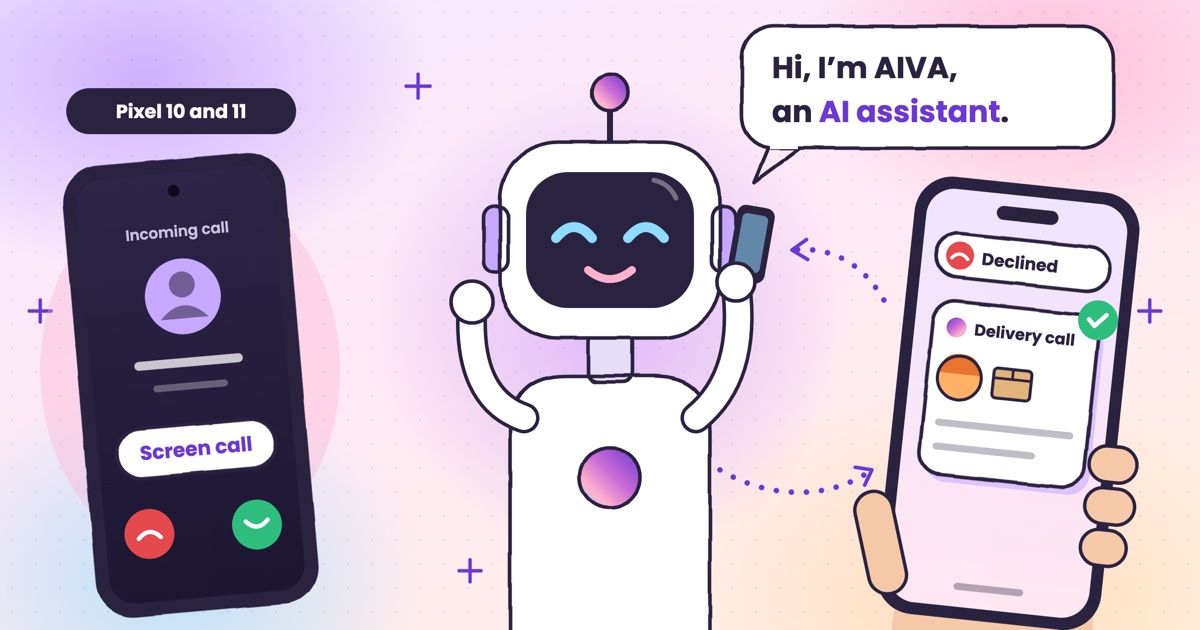 Guide · 7 min readIs Google Call Screen available in India? What works insteadWhich Pixels get Call Screen in India, how to use it, what’s missing compared with the US, and what to use on Samsung, iPhone and other Android phones.
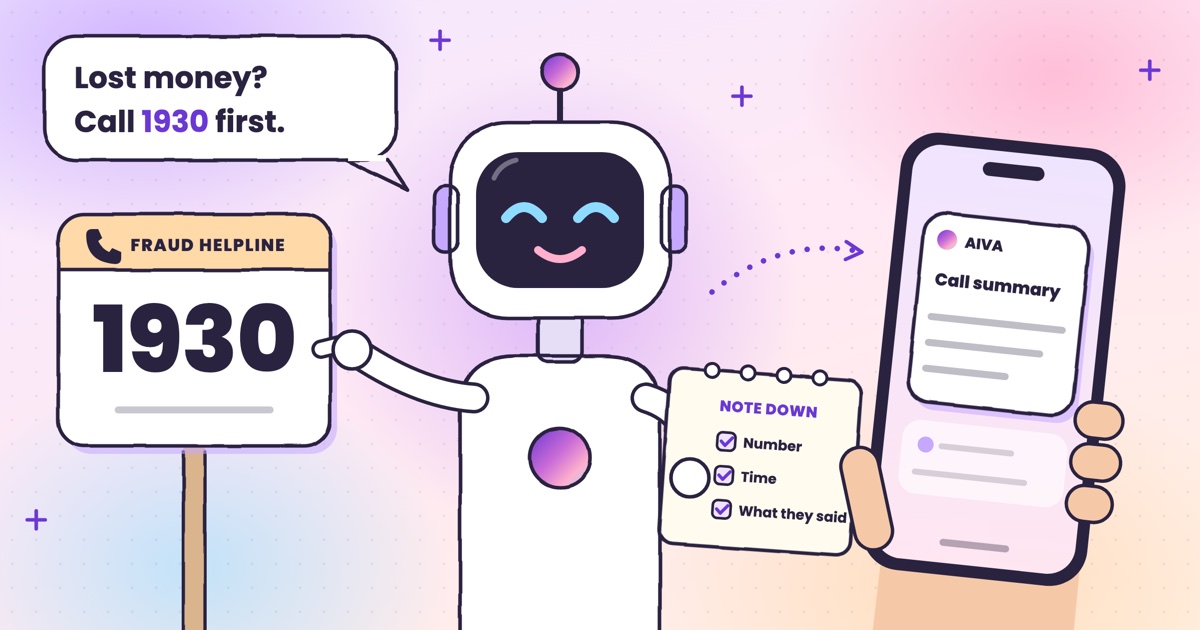 Guide · 7 min readHow to report a fraud call in India: Chakshu, 1930 and cybercrime.gov.inWhere each kind of call goes, what to write down first, the steps on each official site, and what happens after you report.
 Guide · 7 min readDoes DND stop telemarketing calls? TRAI’s DND app explainedWhat DND stops, what it doesn’t, the 2025 rules and how to complain when promotional calls keep coming.
 Guide · 7 min readTruecaller alternatives in 2026: caller ID, spam labels and AI answeringCaller ID apps, network spam labels, CNAP and apps that answer calls, grouped by the job you need done.
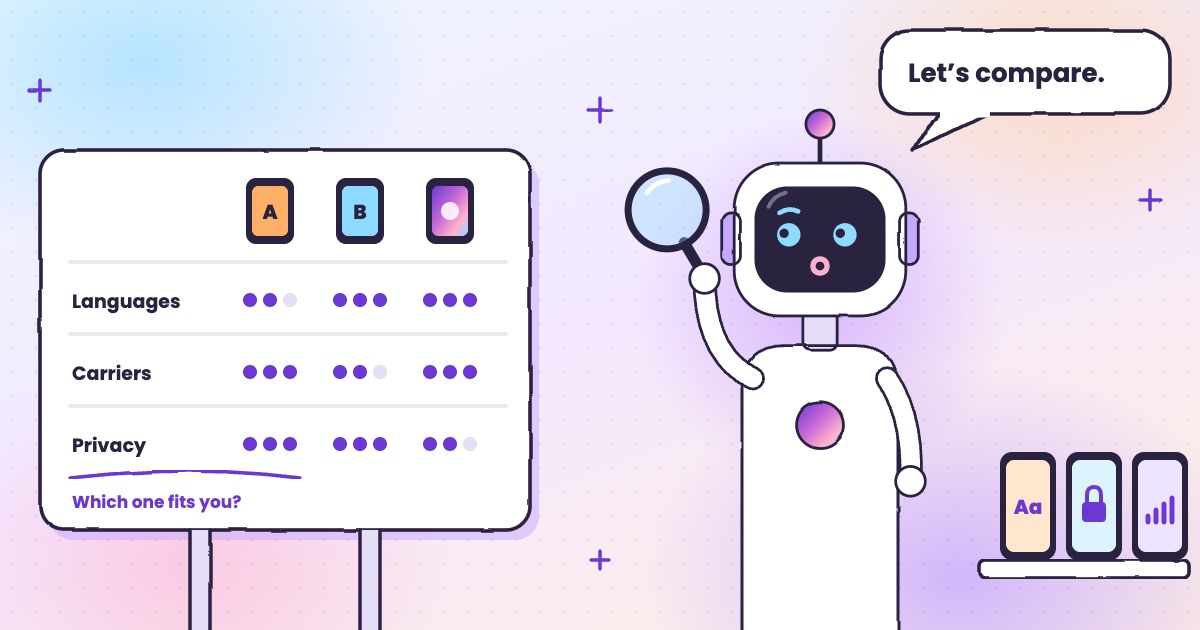 Guide · 8 min readAI call assistants compared: Truecaller, Equal AI, Google and moreTruecaller, Equal AI, Google, Apple and Samsung side by side, with sources.
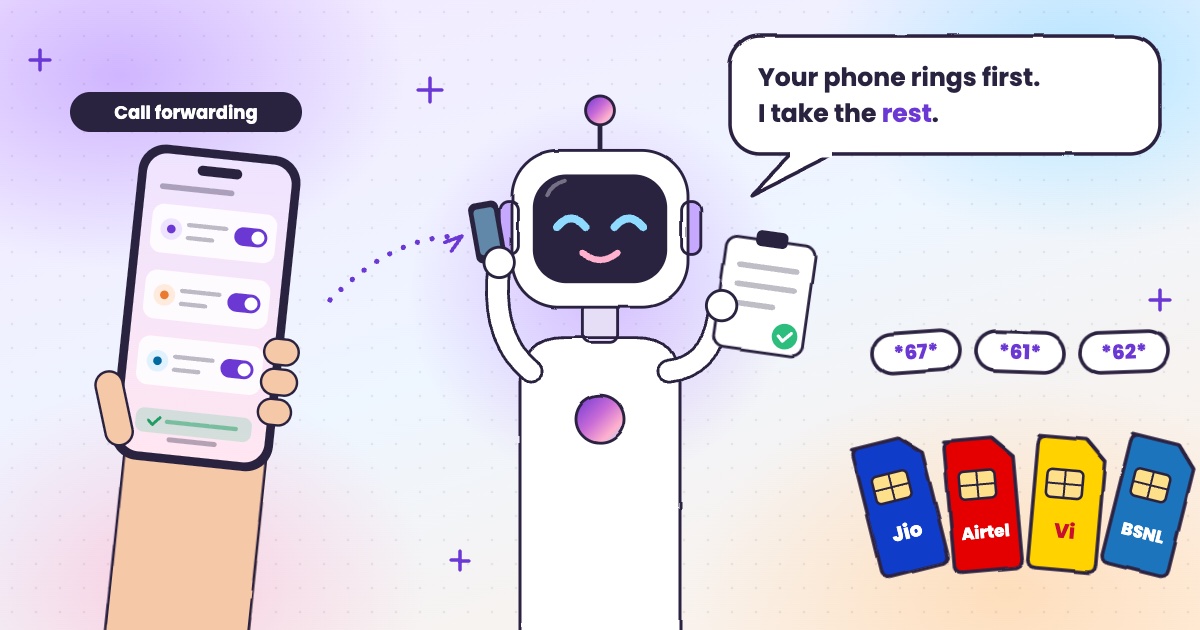 Guide · 6 min readCall forwarding codes in India: Jio, Airtel, Vi and BSNLThe codes for each network, how to turn forwarding off, and the codes never to dial.
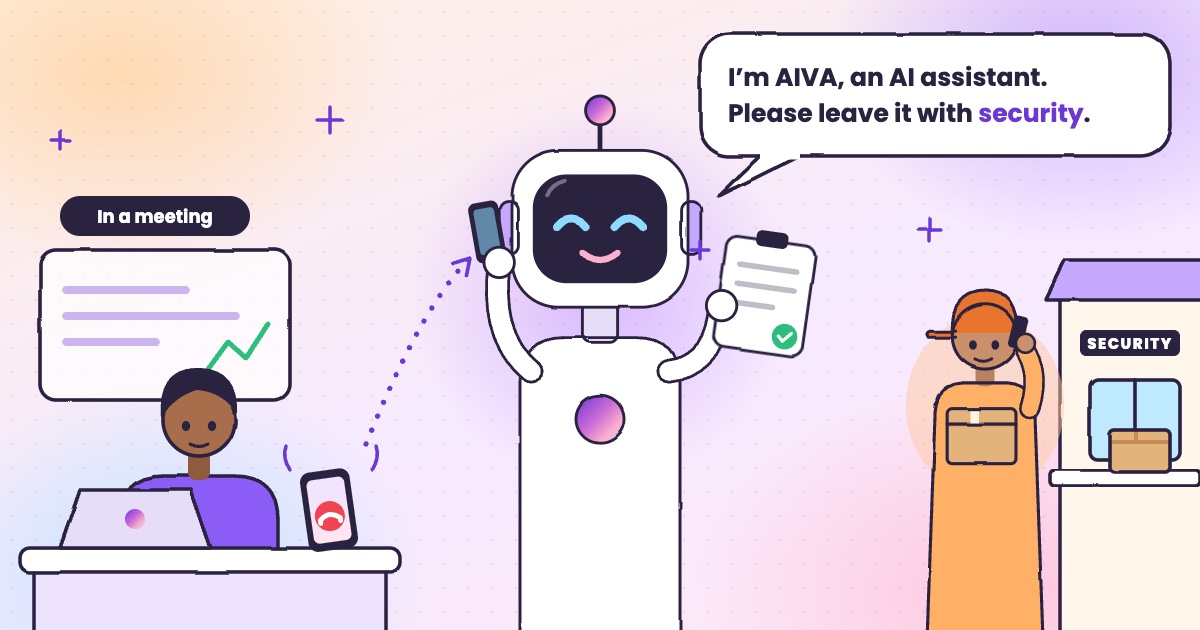 Guide · 4 min readHow to handle delivery calls while busy in a meetingWhat to do when a courier calls during a meeting, with or without an app.
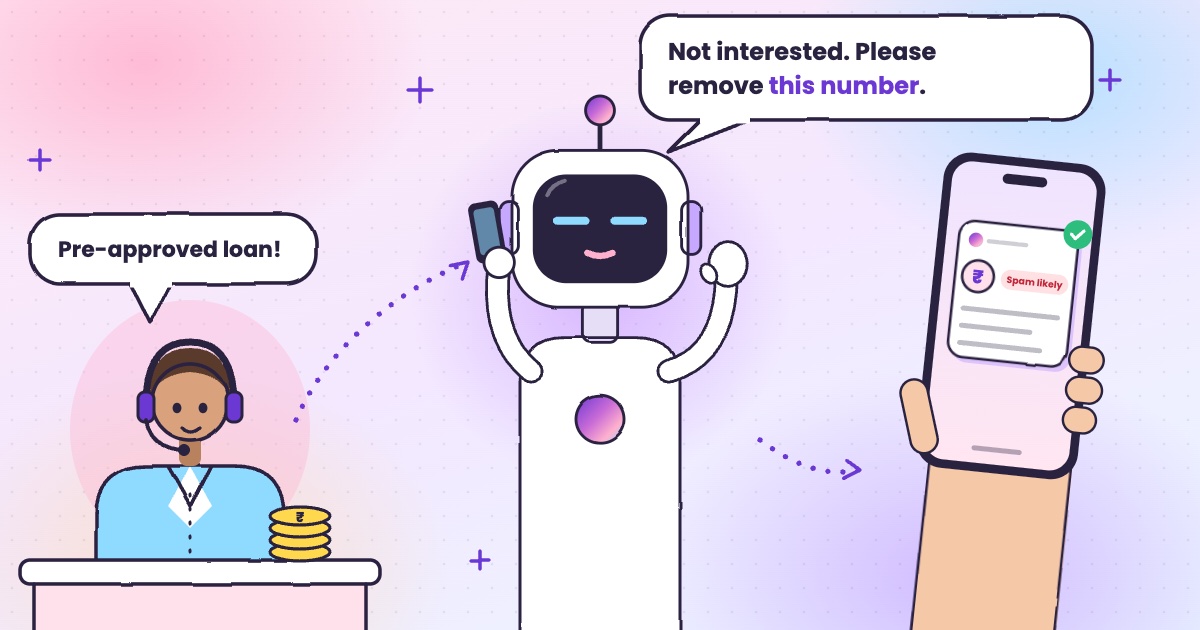 Guide · 6 min readHow to stop loan calls and spam calls in IndiaDND, reporting spam to TRAI and fraud on Chakshu, and what to do when the calls keep coming.
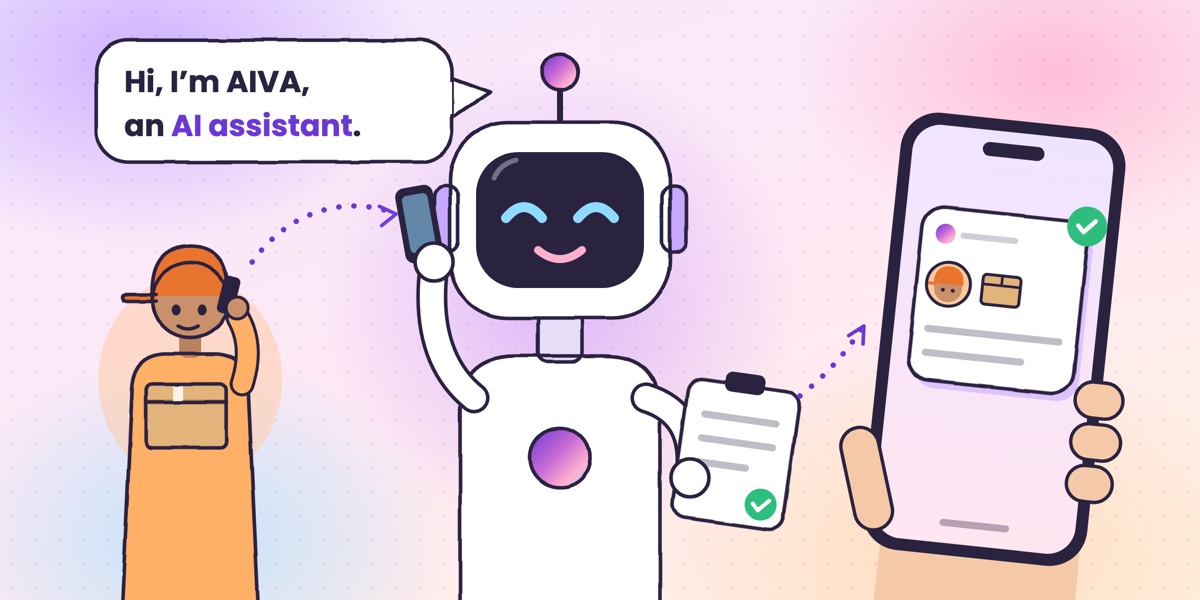 Guide · 6 min readWhat is an AI call assistant? How AIVA answers the calls you can’t takeHow AIVA answers the calls you decline, miss or can’t take, and what it does with each one.
Want to see more of our guides on Google? Add kukuaiva.app as a preferred source